Building Trust, One Family at a Time
 merf-pakistan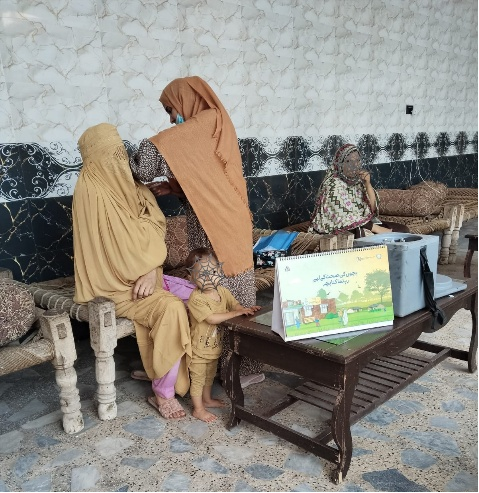
Every refusal has a story behind it, and every story deserves to be heard before it can be changed.
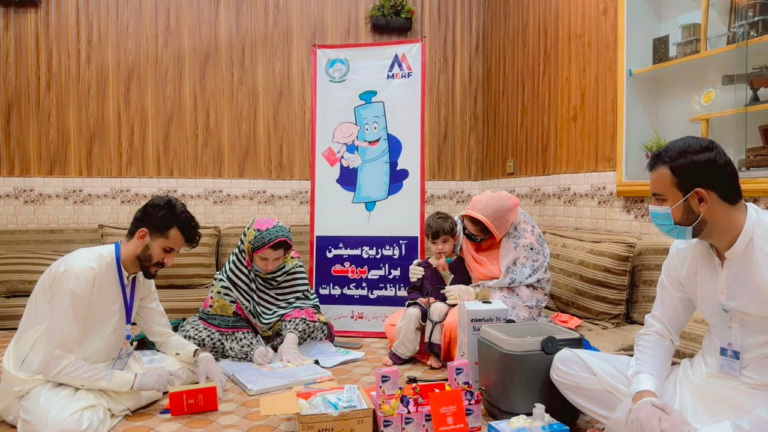
During a routine household outreach in Panjpeer identified through programme data as the area with the highest number of zero-dose refusals, our female Community Outreach Worker visited five households that had declined vaccination for their children. While three families were willing to engage in discussion, two mothers shared that they wanted their children vaccinated but were unable to proceed because the final decision rested with their husbands, who were away at work. Rather than recording the households as refusals and moving on, our community outreach worker returned 30 minutes later, hoping to meet the male decision-makers. This second visit proved productive.
She patiently listened to the fathers’ concerns, addressing misconceptions and answering their questions with empathy and evidence. One father, a daily wage labourer, shared that his greatest fear was not the vaccine itself but the financial consequences if his child developed a fever afterwards. Missing a day’s wages or paying for medical treatment would place a heavy burden on his family.
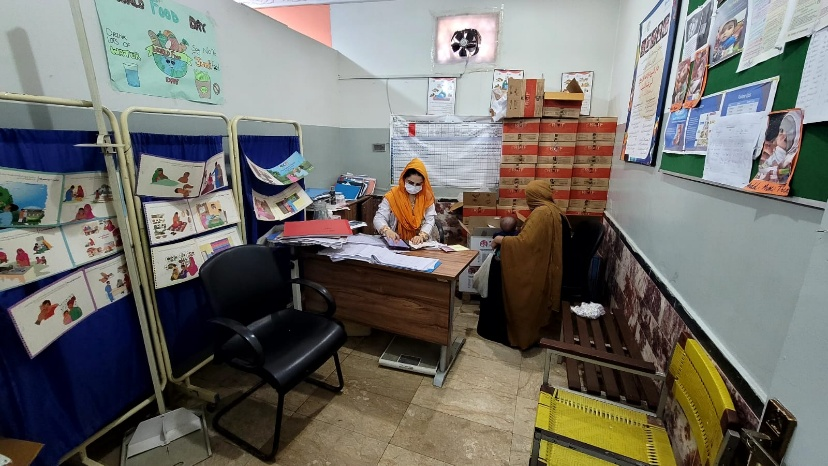
Recognizing that his hesitation stemmed from economic vulnerability rather than resistance, our female worker reassured him about the normal, temporary side effects of vaccination. She provided Panadol for symptomatic relief and explained that the nearby MERF-supported health facility was readily available to provide free medical consultation and treatment should any concerns arise after vaccination.
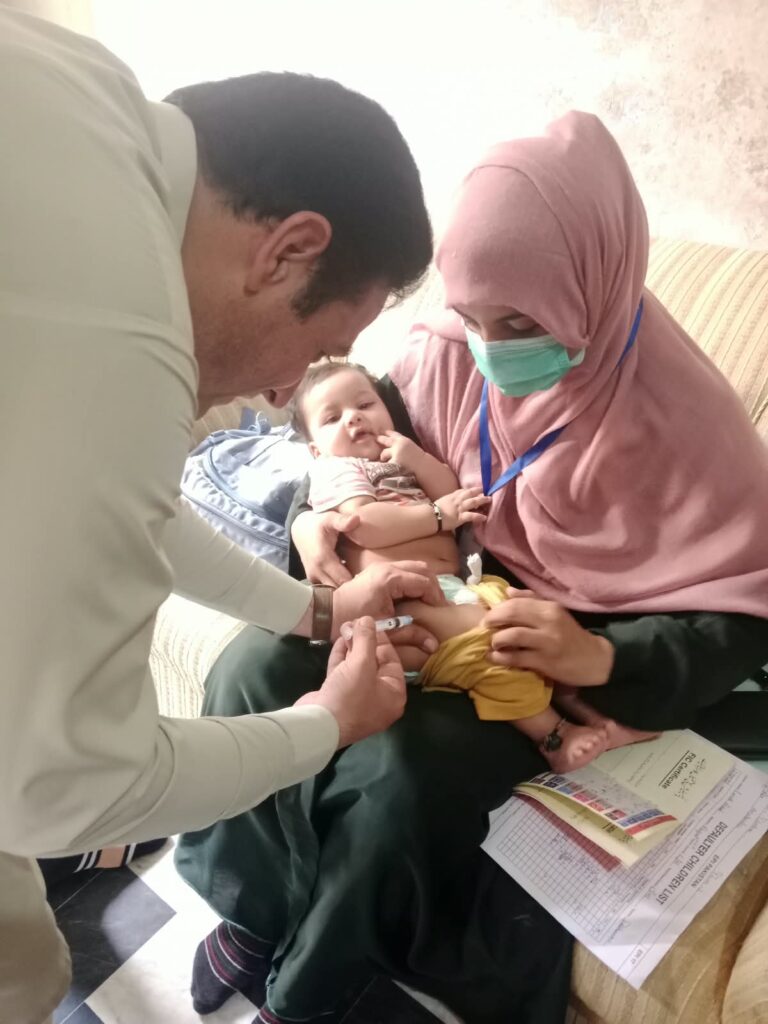
The conversation transformed uncertainty into confidence. Both families agreed to vaccinate their children, protecting them from vaccine-preventable diseases while strengthening their trust in the health system.
Supported by the Bill & Melinda Gates Foundation (BMGF), MERF is successfully managing 15 civil dispensaries across Super High-Risk Union Councils (SHRUCs) in Peshawar District, delivering integrated primary healthcare services that include routine immunization, free OPD consultations, essential medicines, maternal, newborn and child health (MNCH) services, and preventive health education. This integrated service delivery model not only improves access to healthcare but also strengthens community trust, enabling frontline workers to convert vaccine refusals into informed acceptance and contribute to Pakistan’s polio eradication efforts.
Comments (3)
89bd
[7654]89bd Official Login | বিকাশ পেমেন্ট ও সেরা ক্যাসিনো বোনাস,89bd অ্যাপ ডাউনলোড করে উপভোগ করুন সেরা স্লট গেম ও আকর্ষণীয় অনলাইন ক্যাসিনো বোনাস। বিকাশ দিয়ে খুব সহজে পেমেন্ট করে আজই খেলা শুরু করুন। visit: 89bd
betnox
[2369]Betnox – Link Login Chính Thức | Casino Trực Tuyến Uy Tín Số 1,Betnox cung cấp link truy cập an toàn, hỗ trợ tải app APK nhanh chóng và nạp tiền qua Momo tiện lợi. Khám phá sòng bài đẳng cấp và tham gia đặt cược ngay hôm nay. visit: betnox
jljl333apps
The app is very intuitive and the game selection is massive. It runs perfectly on my phone without any glitches. Definitely download jljl333apps if you’re a serious player.