Chairperson BISP Senator Rubina Khalid Visits Benazir Nashonuma Facilitation Centre managed by MERF at Molvi Ameer Shah Memorial Hospital, Peshawar
 merf-pakistan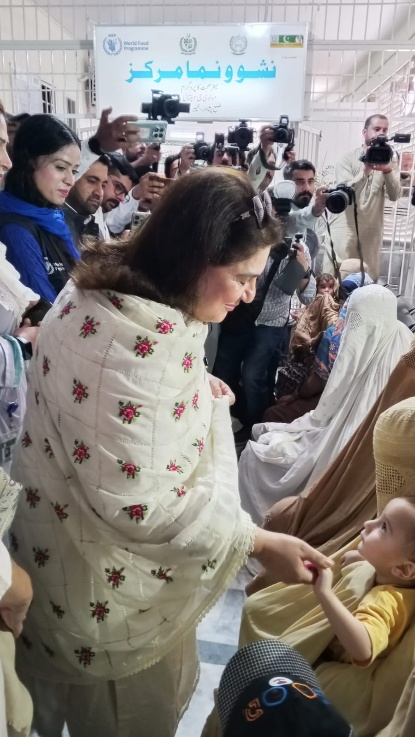
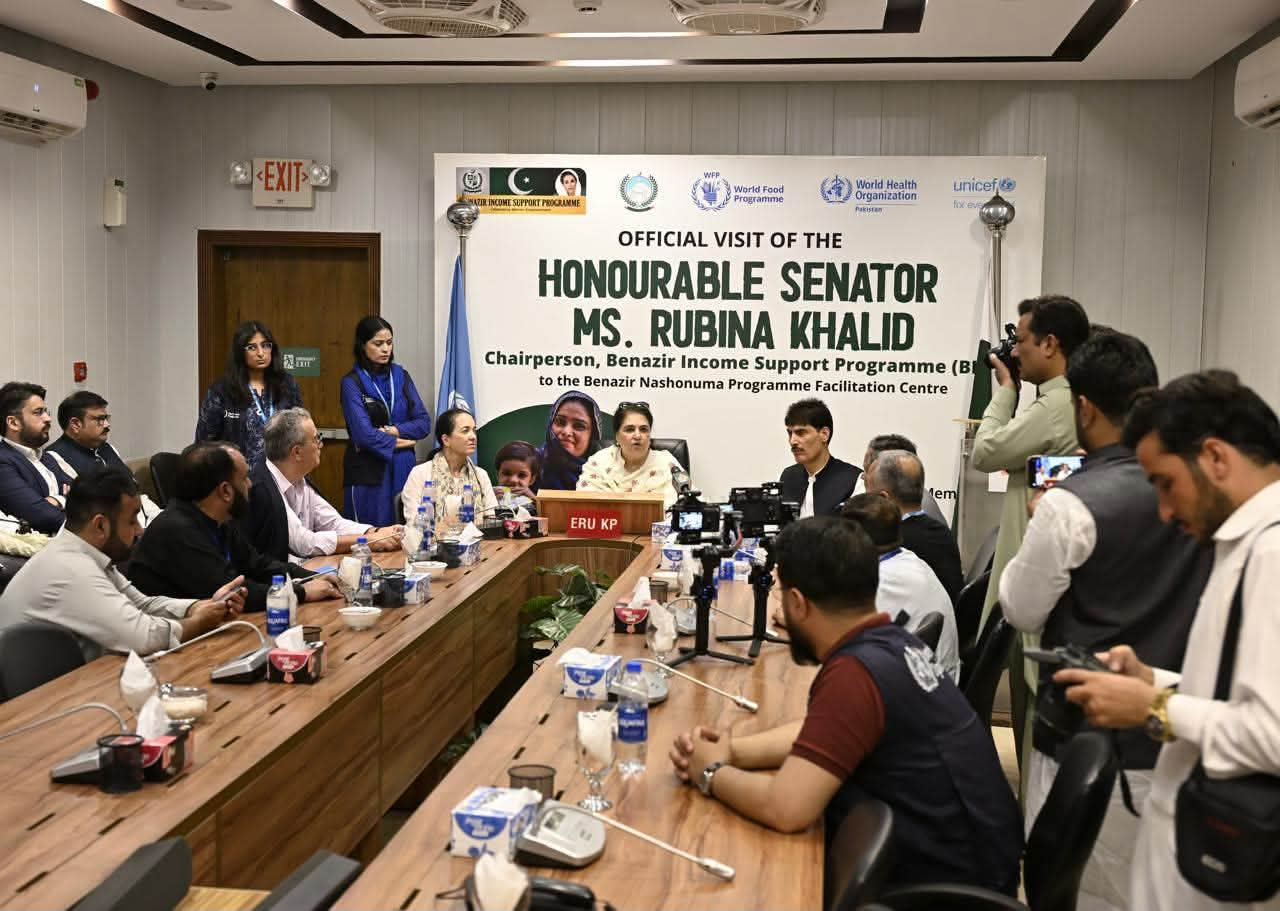
Peshawar: Chairperson of the Benazir Income Support Programme (BISP), Senator Rubina Khalid, visited the Benazir Nashonuma Facilitation Centre at Molvi Ameer Shah Memorial Hospital, Peshawar, managed by MERF. She was accompanied by Ms. Anita Hirsh, Country Director of the World Food Programme (WFP).
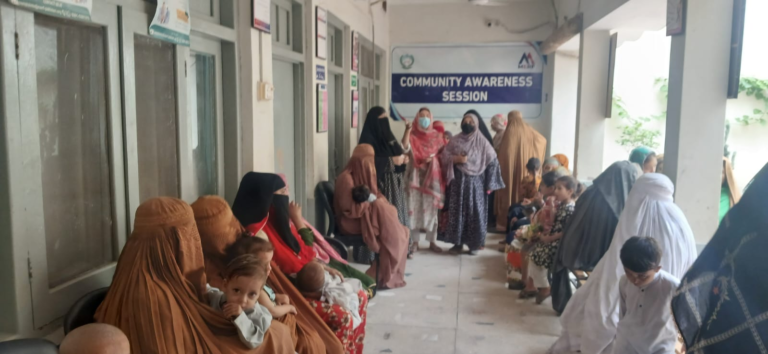
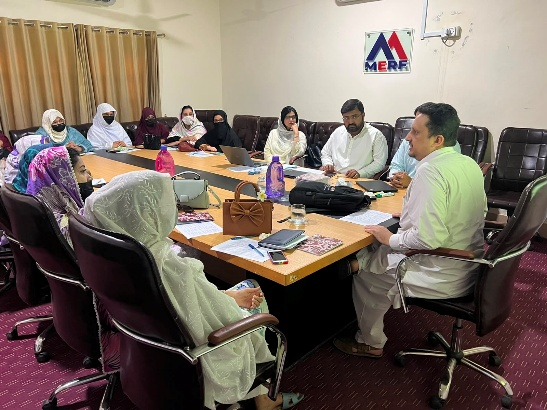
During the visit, Senator Rubin a Khalid was briefed on the range of services being provided at the Facilitation Centre, including beneficiary registration, anthropometric assessment, compliance monitoring, nutrition counseling, and the distribution of specialized nutritious food to eligible beneficiaries. She also interacted with pregnant and lactating women enrolled in the programme, listened to their feedback, and reviewed the quality of services being delivered.
The Chairperson appreciated the efforts of the Facilitation Centre staff and acknowledged their commitment to ensuring quality health and nutrition services for vulnerable women and children. She emphasized the importance of providing dignified, accessible, and transparent services that improve the health and nutritional well-being of mothers and young children.
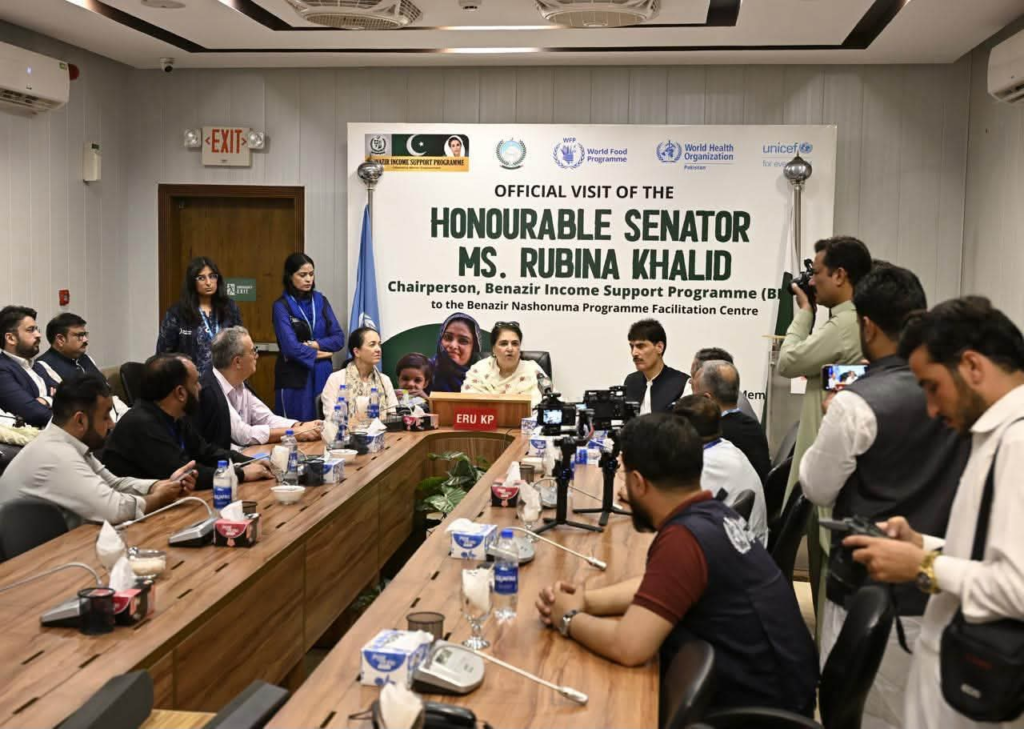
Speaking to media representatives during her visit, Senator Rubina Khalid stated that the Benazir Nashonuma Programme is a landmark initiative aimed at improving the health and nutritional status of pregnant and lactating women and children. She noted that the Benazir Income Support Programme is currently benefiting more than 10 million deserving families across Pakistan, adding that it is not a charity programme but a dignified social protection initiative of the Government of Pakistan designed to support vulnerable and low-income households.
Highlighting ongoing digital reforms, Senator Rubina Khalid urged women beneficiaries to collect their free BISP SIM cards only from official BISP offices and to avoid dealing with unauthorized individuals or institutions. She explained that the Government is digitizing the payment system through digital wallets to minimize human intervention, enhance transparency, and enable beneficiaries to receive their payments more safely, efficiently, and conveniently.
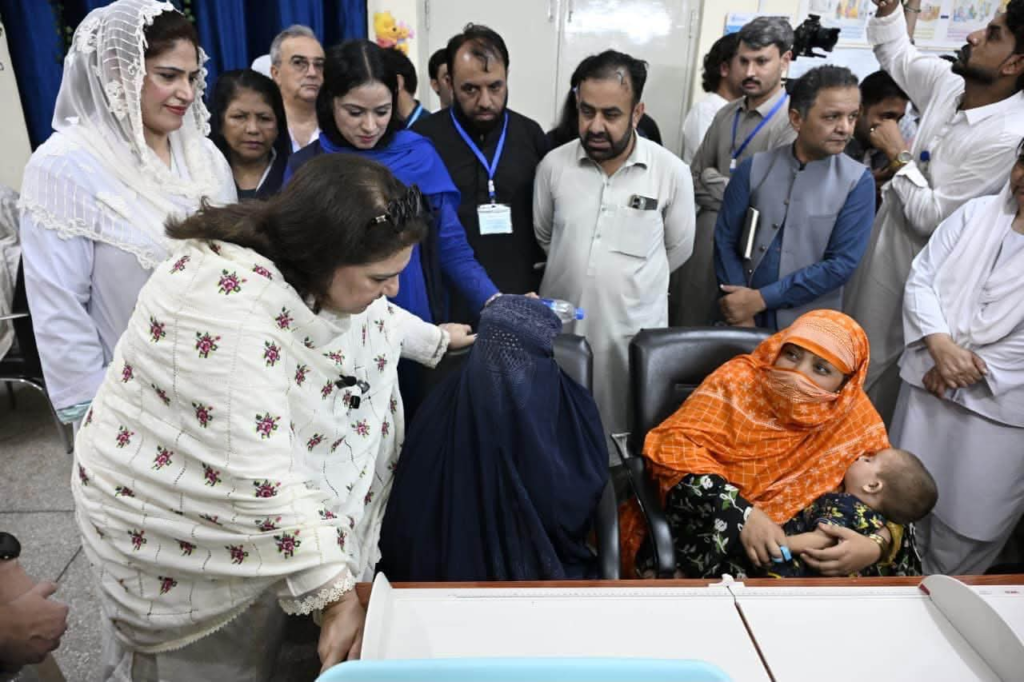
The Benazir Nashonuma Programme is implemented by the Medical Emergency Resilience Foundation (MERF) with funding from the World Food Programme (WFP), in collaboration with the Benazir Income Support Programme (BISP). The initiative aims to improve access to Primary Health Care (PHC) and nutritional support for registered and unregistered Pregnant and Lactating Women (PLW) and their children aged 0–23 months across Khyber Pakhtunkhwa.
Through Facilitation Centres established in designated hospitals, the programme provides nutrition screening, anthropometric assessments, maternal and infant nutrition counseling, growth monitoring, and specialized nutritious food for eligible women and children.
The visit reaffirmed the shared commitment of BISP, WFP, and MERF to strengthening maternal and child nutrition services and ensuring that vulnerable families receive quality healthcare and nutrition support through an integrated, transparent, and people-centered approach.