MERF’s Community Outreach Model Brings Thousands of Children Back to Immunization in Peshawar
-
by
merf-pakistan
- 4 Comments on MERF’s Community Outreach Model Brings Thousands of Children Back to Immunization in Peshawar
Every child reached through immunization represents far more than a vaccine administered, it represents a disease prevented, a family reassured, and a healthier future safeguarded.
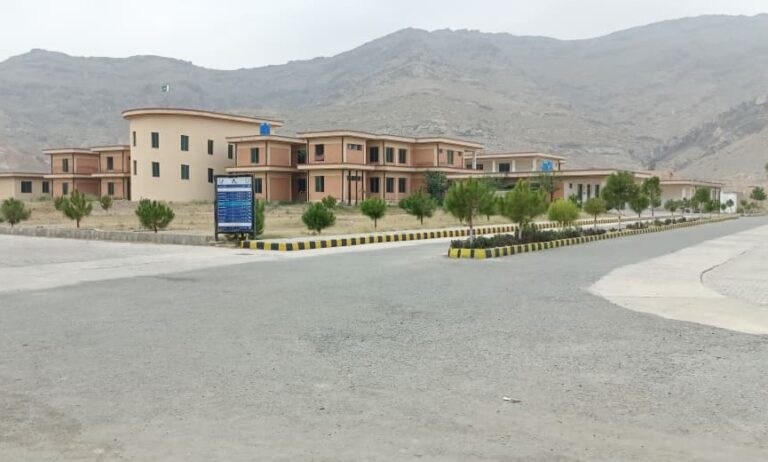
Under the Gates Foundation-supported Polio Eradication Initiative, MERF continues to strengthen routine immunization services across the Super High-Risk Union Councils (SHRUCs) of Peshawar through an integrated model that combines community outreach, Social and Behaviour Change Communication (SBCC), active household tracking, and strengthened primary healthcare services.
Unlike conventional awareness campaigns, MERF’s approach emphasizes persistent household engagement, trust-building, evidence-based counselling, and continuity of care. Community Outreach Workers (COWs) serve not only as mobilizers but as trusted members of their communities who identify vulnerable children, address misconceptions, connect families with health services, and maintain follow-up until vaccination is completed.
June 2026: A Month of Significant Progress
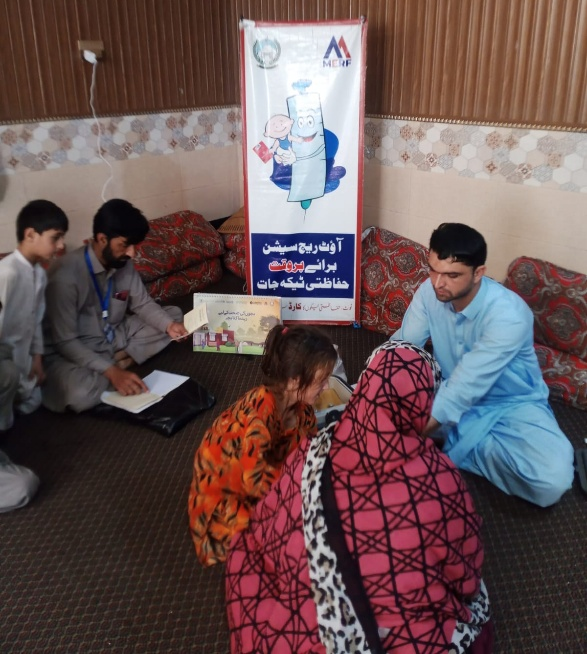
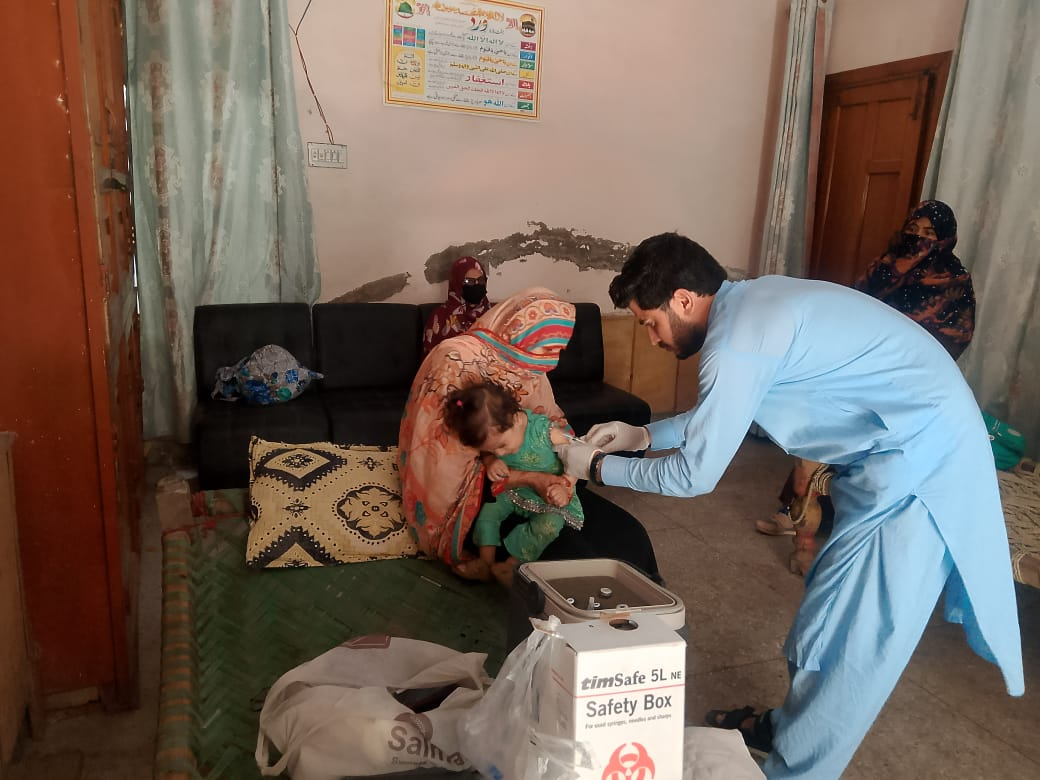
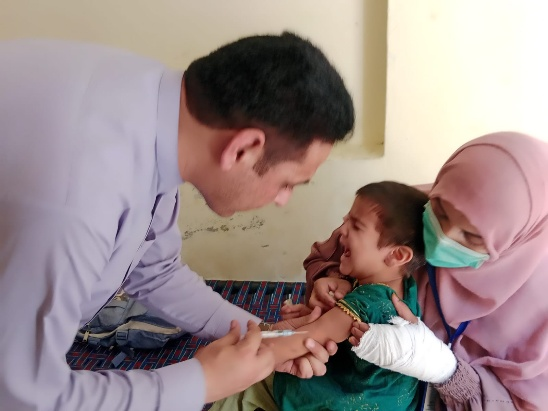
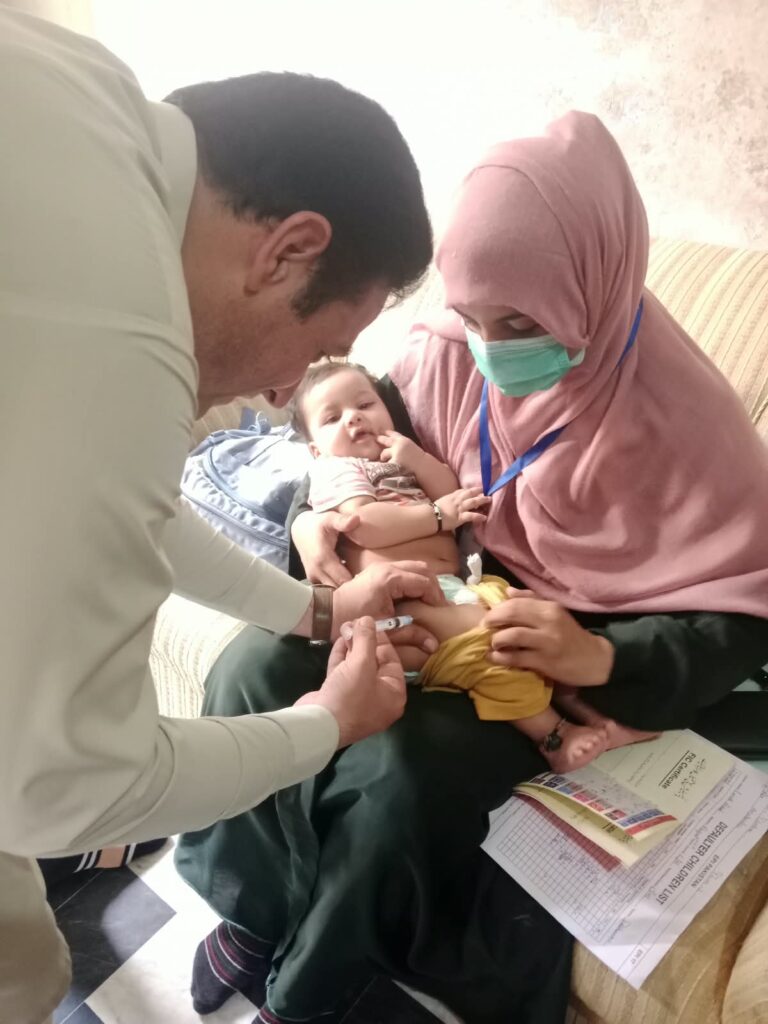
During June 2026, MERF’s trained Community Outreach Workers, working alongside vaccinators and health facility staff, systematically identified children who had missed routine immunization, traced hidden and zero-dose children, counselled hesitant caregivers, and ensured timely referral to vaccination services.
Their efforts resulted in:
- 3,238 defaulter children successfully traced and vaccinated through routine immunization.
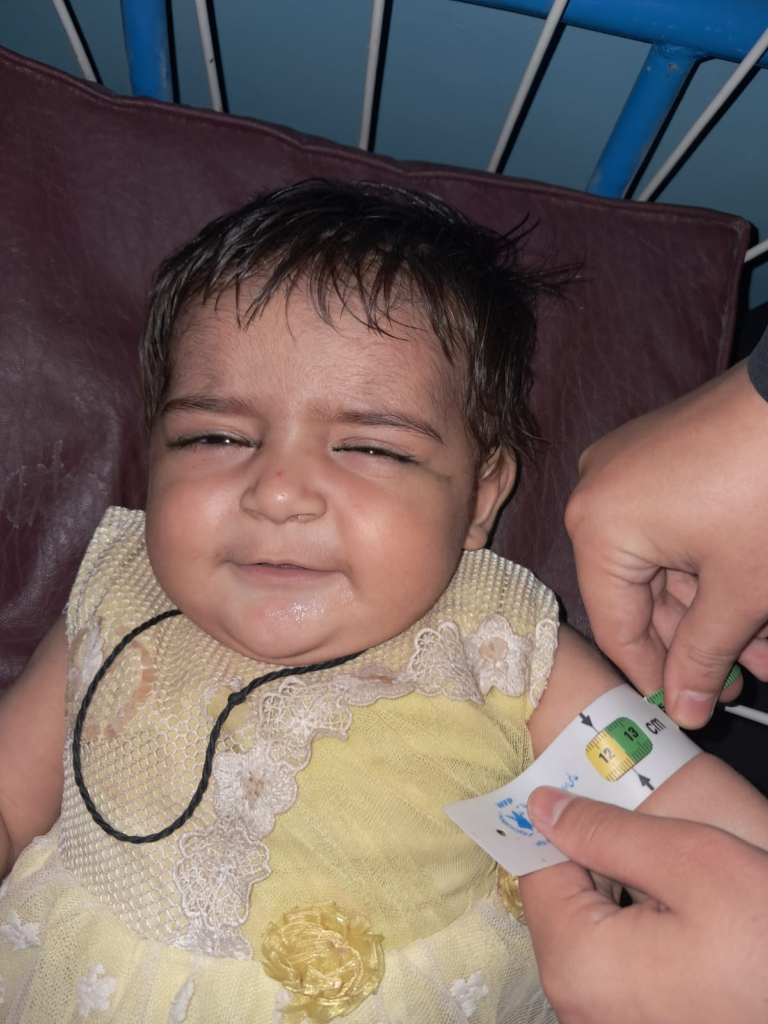
- 422 zero-dose children identified and brought into the immunization programme for the very first time.
- 182 vaccine refusals successfully converted through interpersonal counselling, SBCC, and community engagement.
These achievements represent 3,842 vulnerable children and families reached through direct community action, substantially strengthening immunity in some of Peshawar’s highest-risk communities.
More importantly, these numbers reflect renewed confidence in public health services. Many caregivers who were initially hesitant accepted vaccination after multiple respectful counselling sessions, while previously hidden children whose births or vaccination status had never been reported were successfully integrated into the health system. The programme also strengthened collaboration between communities, vaccinators, and health facilities, creating stronger referral pathways and improving continuity of routine immunization services.
Outstanding Health Facility Performance
Several MERF-supported facilities achieved exceptional results during the reporting period.
Defaulters Successfully Recovered
| Health Facility | Children Recovered |
| Hazar Khwani #2 (Dir Colony) | 611 |
| Yakatoot #3 | 366 |
| Shaheen Muslim Town #2 | 347 |
| Shaheen Muslim Town #1 | 315 |
| Akhonabad | 302 |
| Yakatoot #2 | 247 |
| Landi Arbab | 221 |
| Deh Bahadur | 212 |
| Yakatoot #1 | 167 |
| Deri Baghbanan | 141 |
| Notia Jadeed | 135 |
These facilities demonstrated strong coordination between Community Outreach Workers and Expanded Programme on Immunization (EPI) teams, enabling timely identification of children who had missed scheduled vaccinations and ensuring their successful return to the immunization schedule.
Zero-Dose Children Identified
The highest-performing facilities in identifying children who had never received a single routine vaccine included:
- Hazar Khwani #2 (Dir Colony): 69
- Yakatoot #3: 44
- Hazar Khwani #2 (Pandu Road): 43
- Akhonabad: 40
- Shaheen Muslim Town #1: 32
- Shaheen Muslim Town #2: 29
- Landi Arbab: 27
- Deh Bahadur: 26
These figures demonstrate MERF’s ability to identify children who were previously invisible to the health system. Through systematic household mapping, community intelligence, and repeated field visits, Community Outreach Workers were able to locate underserved families who might otherwise have remained unreached, ensuring that children began their immunization journey before becoming vulnerable to vaccine-preventable diseases.
Refusal Conversion Through SBCC
Community dialogue and trust-building also produced encouraging results.
Facilities recording the highest successful conversion of vaccine refusals included:
- Akhonabad – 30 families
- Deh Bahadur – 24 families
- Shaheen Muslim Town #1 – 22 families
- Yakatoot #3 – 21 families
- Notia Jadeed – 19 families
- Hazar Khwani #2 (Dir Colony) – 16 families
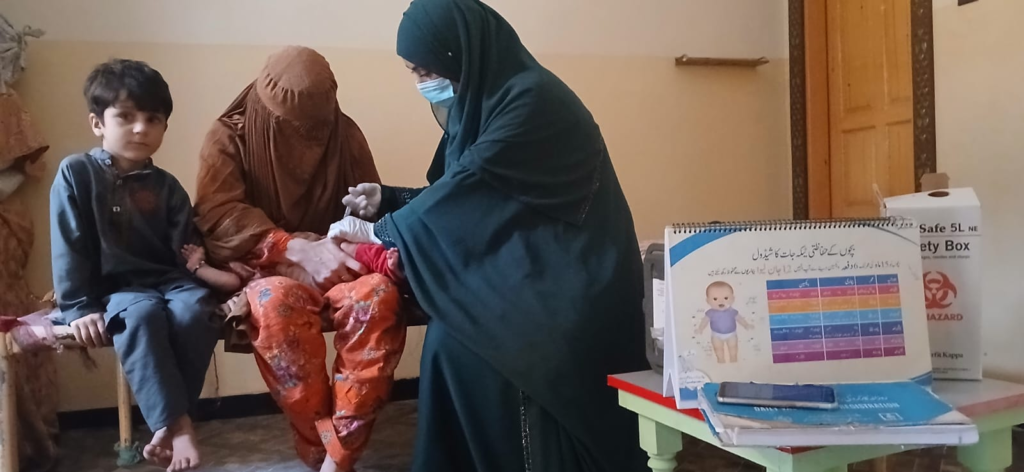
These outcomes reflect the effectiveness of MERF’s evidence-based SBCC approach, which prioritizes respectful communication, caregiver counselling, myth correction, and repeated household engagement instead of one-time awareness activities. Rather than focusing solely on vaccine promotion, Community Outreach Workers listened to caregivers’ concerns, addressed misinformation with empathy, and built lasting relationships that encouraged informed health-seeking behaviour.
Beyond the Numbers
Behind every statistic is a story of persistence. Community Outreach Workers routinely conduct multiple household visits, engage grandparents and other influential family members, collaborate with religious and community leaders, and accompany caregivers to health facilities when needed. Their presence within the community allows them to identify hidden children, respond quickly to missed vaccinations, and maintain ongoing dialogue with families.
The programme has also strengthened the capacity of frontline workers through regular mentoring, supportive supervision, and SBCC training, equipping them with practical communication skills to address vaccine hesitancy and improve service uptake. This integrated approach is helping transform routine immunization from a facility-based service into a community-owned public health effort.
Looking Ahead
MERF remains committed to ensuring that no child is left behind. By combining community trust, data-driven outreach, and strong partnerships with the Department of Health and EPI, the organization continues to close immunization gaps, reduce the number of zero-dose children, and protect communities from vaccine-preventable diseases.
As these achievements demonstrate, sustainable immunization success depends not only on vaccine availability but also on trusted relationships, continuous community engagement, and a health system capable of reaching every child, especially those who are hardest to find.
Comments (4)
krwego88
Super easy to navigate and the customer service is on point. I feel safe depositing my funds here. Keep it up krwego88!
winplus
[2891]Winplus Login PH | Slots na madaling manalo gamit ang GCash,Mag-winplus login ph na para sa pinaka madaling manalo na slots. Mabilis ang casino gamit ang GCash at winplus app download para sa seamless gaming. Sali na! visit: winplus
foxygames
[9107]foxygames login করুন এবং আসল স্লট গেম খেলুন,foxygames app download করে আসল স্লট গেম খেলুন। বিকাশ পেমেন্ট অনলাইন casino অভিজ্ঞতার সাথে লাইভ ক্যাসিনো খেলার নিয়ম জানুন এবং আজই জয়েন করুন। visit: foxygames
bd99
[7304]bd99 Login PH – Legit Online Slots at Payout via GCash,Mag-bd99 login ph na para sa legit online slots gcash. I-download ang bd99 app at alamin kung paano maglaro ng baccarat. Mag-register na rito! visit: bd99