Bringing Healthcare Closer: The Impact of Mobile Medical Services in Killa Abdullah
-
by
merf-pakistan
- 6 Comments on Bringing Healthcare Closer: The Impact of Mobile Medical Services in Killa Abdullah
Fatima (name changed for privacy), a 28-year-old Afghan refugee from Jungle Camp 1 in the remote district of Killa Abdullah, began experiencing painful urination, increased urinary frequency, lower abdominal discomfort, and a low-grade fever. Over the course of four days, her condition worsened, making it increasingly difficult to carry out household responsibilities and care for her children. Like many women living in remote communities, she delayed seeking medical care because of financial constraints, the long distances to health facilities, limited transportation options, and the lack of readily available healthcare services.
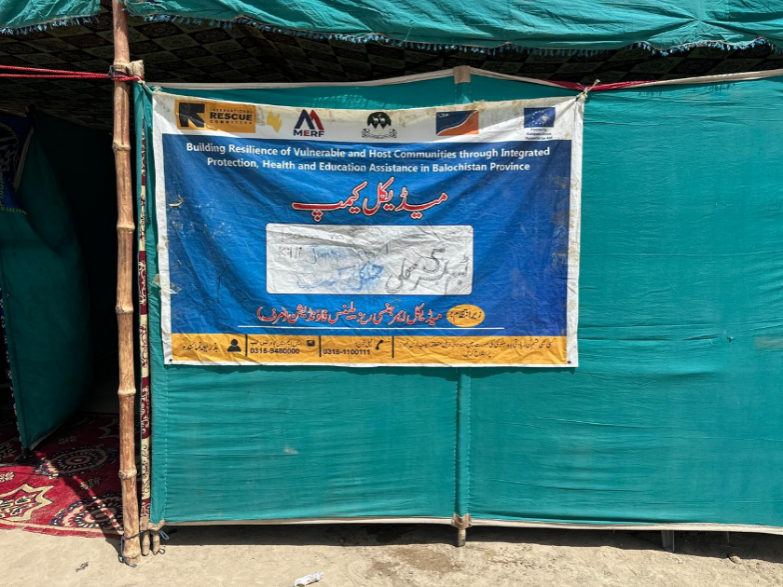
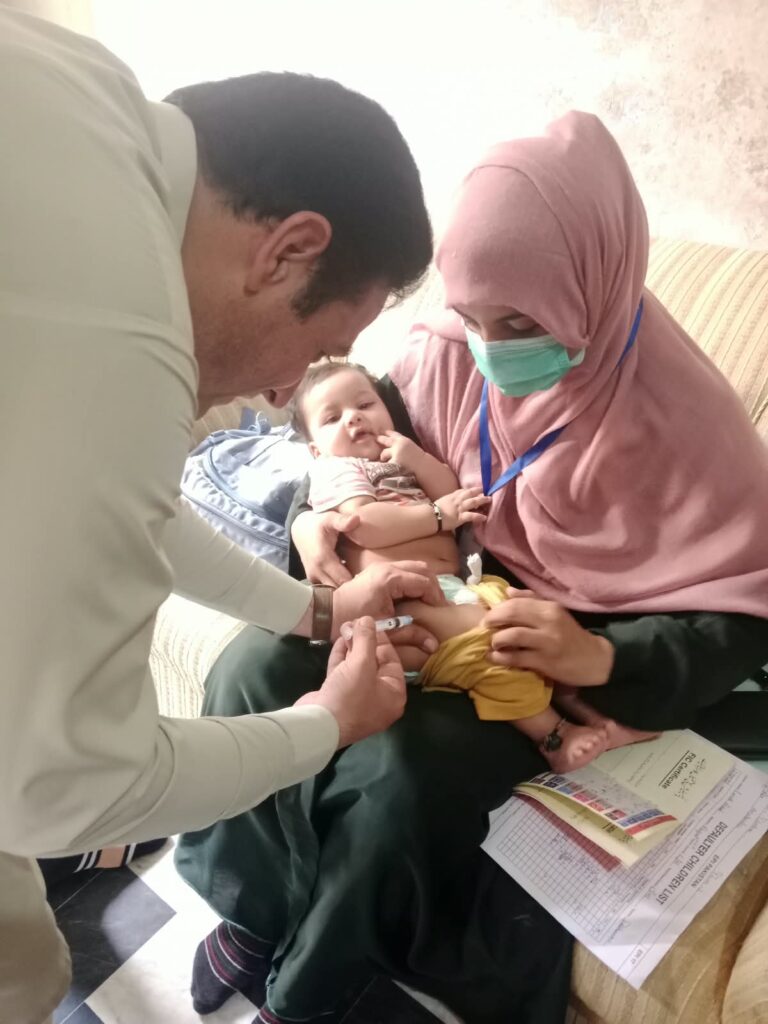
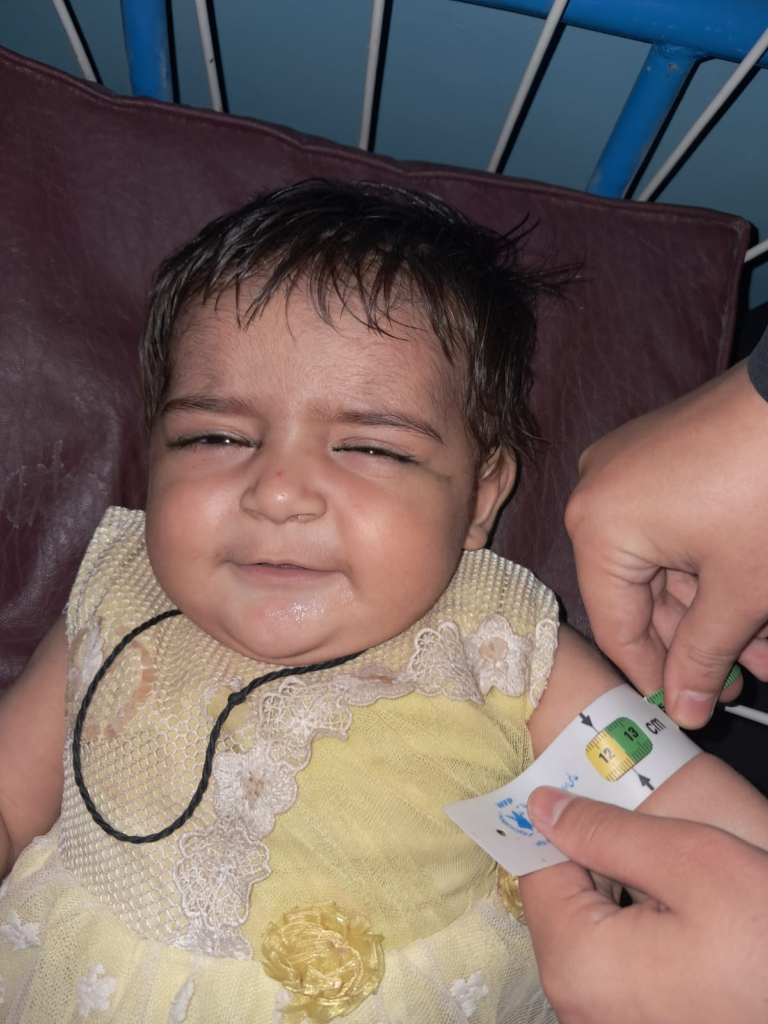
Through the support of the European Union (EU) and the International Rescue Committee (IRC), MERF is able to bring essential primary healthcare services directly to underserved communities by organizing medical camps across different union councils of District Killa Abdullah. This outreach approach reduces geographical and financial barriers to healthcare by ensuring that vulnerable populations receive timely, free, and quality medical services close to their homes.
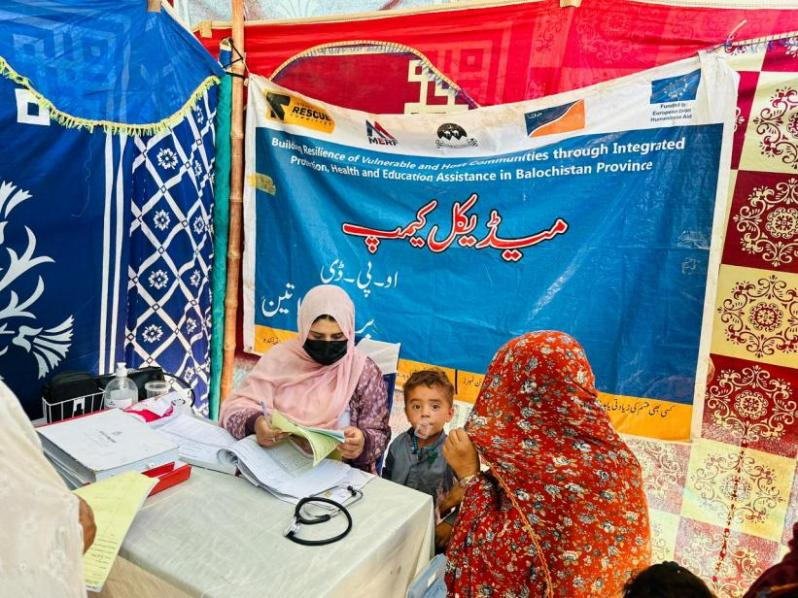
Following a comprehensive clinical assessment at the medical camp, Fatima was diagnosed with an uncomplicated Urinary tract infection (UTI). She received appropriate treatment in accordance with standard clinical protocols, along with counseling on completing the full course of antibiotics, maintaining adequate hydration, practicing good personal hygiene, and recognizing symptoms that would require immediate medical attention. The health education provided during the consultation also helped her understand practical measures to reduce the risk of future urinary tract infections.
When Fatima returned for a follow-up visit two weeks later, she reported complete recovery from her symptoms. She had resumed her normal daily activities and was once again able to care for her family without discomfort. She expressed her appreciation for the respectful, timely, and free healthcare services provided through the medical camp, explaining that without these outreach services she would have struggled to access treatment due to both financial and transportation challenges.
Reflecting on her experience, Fatima shared, “I was worried because I could not afford to travel for treatment, and every day I felt worse. The medical team here treated me with kindness, gave me the medicines I needed, and explained how I can prevent this illness in the future. Now I have recovered and can look after my children again.”
This story highlights how the partnership between the European Union(EU), IRC, and MERF is helping bridge critical gaps in healthcare delivery by supporting mobile medical teams that provide early diagnosis, evidence-based treatment, and health education to vulnerable populations in District Killa Abdullah.
As part of the project, 350 mobile medical camps have been planned across three remote districts i.e. Killa Abdullah, Pishin and Chaman, of which 322 have already been successfully conducted. These camps have reached more than 60,000 patients living in hard to reach communities, providing life-saving primary healthcare services, essential medicines, and preventive health education at their doorstep. The initiative is reducing geographical and financial barriers to healthcare while improving access to timely and quality medical services for vulnerable populations.
Comments (6)
pkj2game
I’ve tried a few sites lately but this one is surprisingly smooth. The games load fast and the interface is very user friendly. Definitely recommend checking out pkj2game for a great time.
modal777slot
The slots here are incredibly exciting and the hit rate seems better than other sites. I’m hooked on modal777slot already!
90winbet90winlogin
Login is seamless and the customer support is actually helpful. I had a small issue with my deposit and they sorted it out instantly. 90winbet90winlogin
vndt168
Great vibes and even better rewards. I love how easy it is to navigate through the different sections. Keep it up! vndt168
phjili979
This place has a great vibe and the bonuses are actually fair. I had a few questions and the support team sorted me out quickly. Love playing on phjili979
phtaya001
The game selection is top notch and the interface is super smooth on mobile. Really enjoying my time on phtaya001 so far!