
From a Weak, Worried Child to a Thriving Little Girl
 merf-pakistan
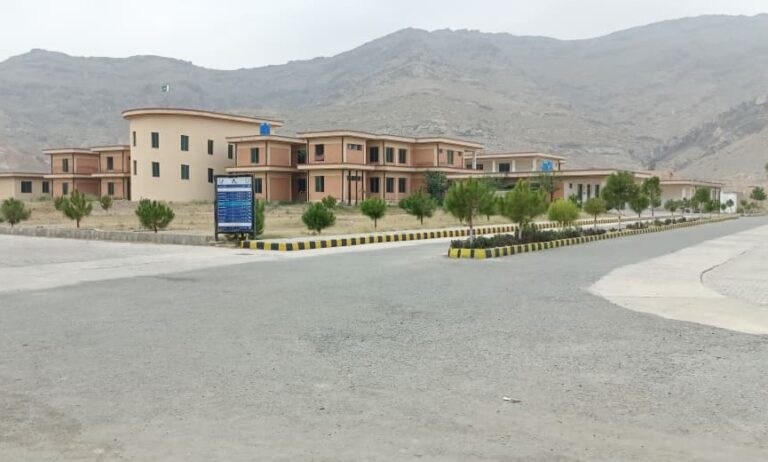
Aqsa Bibi’s Journey with the Benazir Nashonuma Programme — SFK DHQ Hospital, Hangu
In a daily-wage household of eleven in District Hangu, Khyber Pakhtunkhwa, every rupee has to stretch further than it can go. With three children under the age of five and a monthly food budget that leaves little room for variety, Aqsa Bibi’s family knew what it meant to worry about a child who simply wasn’t thriving. Aqsa, a young girl in the household, was weak, ate poorly, and fell sick often — a pattern her mother had come to see as ordinary, without knowing there was a name for it, or a way out.
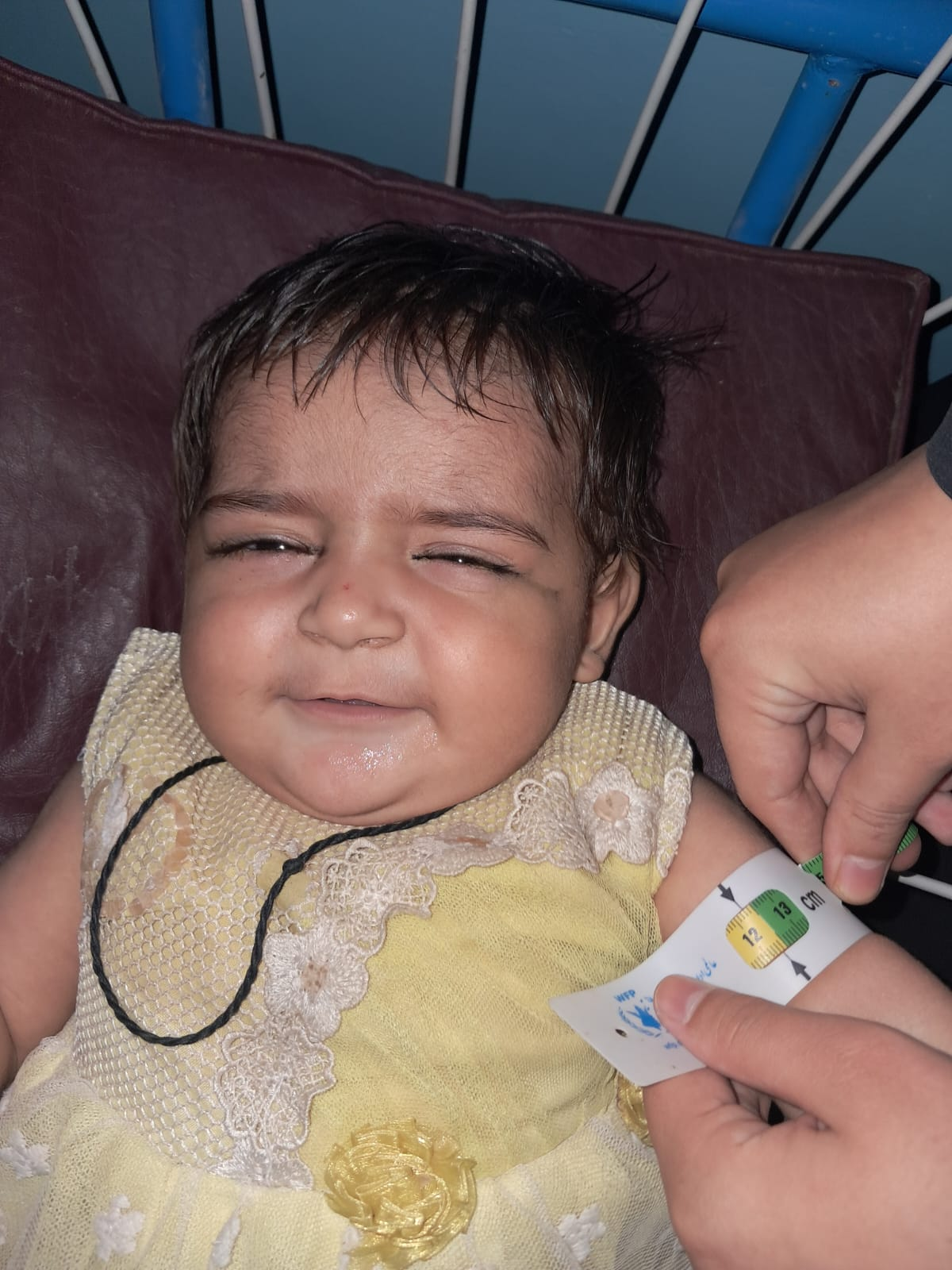
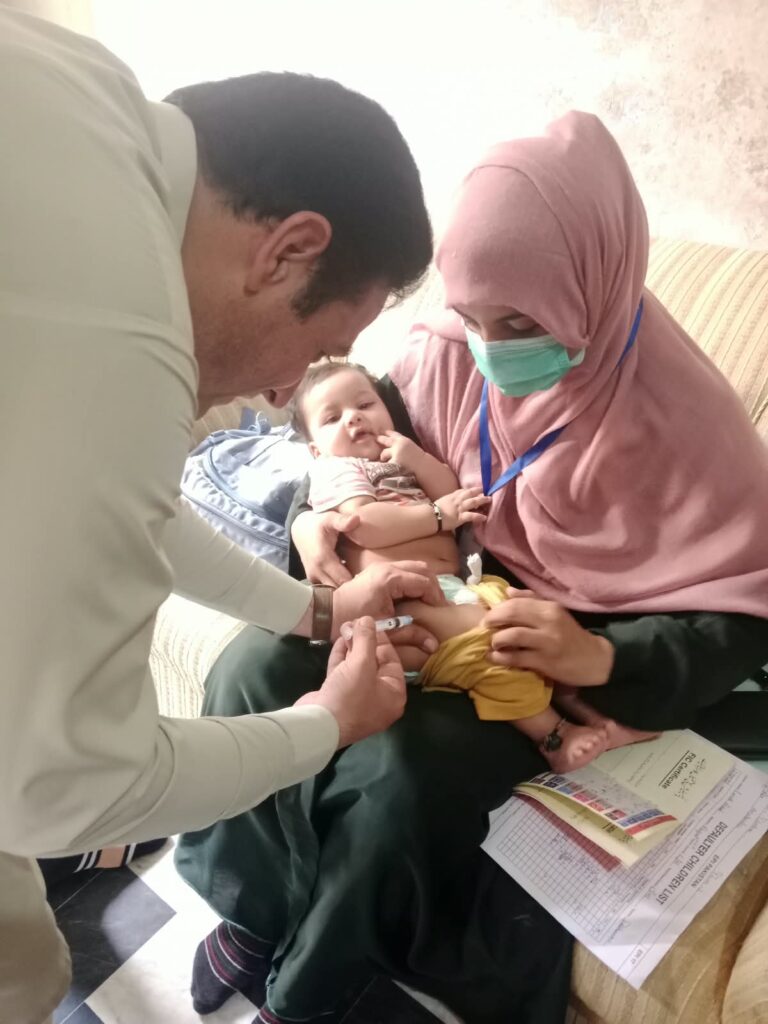
That changed when Aqsa’s family encountered the BISP registration process, where staff introduced them to the Benazir Nashonuma Programme and directed them to the nearest Nashonuma Facilitation Center. At the time, Aqsa’s mother had limited knowledge of maternal and child health, breastfeeding, complementary feeding, or hygiene. When Aqsa was screened at enrollment, her Mid-Upper Arm Circumference (MUAC) measured 11.5 cm and her weight was just 5.7 kg — readings that placed her in the Moderate Acute Malnutrition (MAM) category, a clear sign that intervention couldn’t wait.
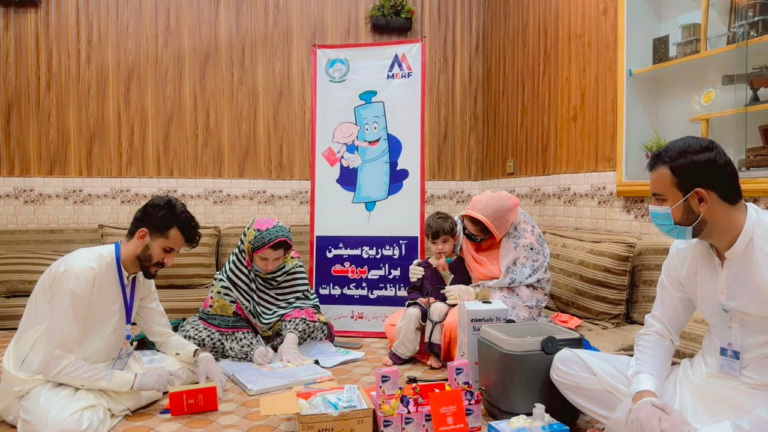
What followed was a steady, structured effort to turn things around. The Nashonuma Center enrolled Aqsa on 18 April 2026 and began regular growth monitoring, tracking her weight and MUAC at each follow-up visit to catch progress — or setbacks — early. Alongside this, her mother received counseling on age-appropriate feeding, breastfeeding, complementary nutrition, hygiene, and the importance of routine health check-ups, replacing guesswork with practical guidance she could use every day. The family also began receiving Specialized Nutritious Foods (SNFs) to directly address Aqsa’s nutritional gaps, and quarterly cash assistance that her mother used deliberately: to buy milk, eggs, fruits, vegetables, pulses, and meat, and to make more diverse, balanced meals a regular part of the household’s routine.
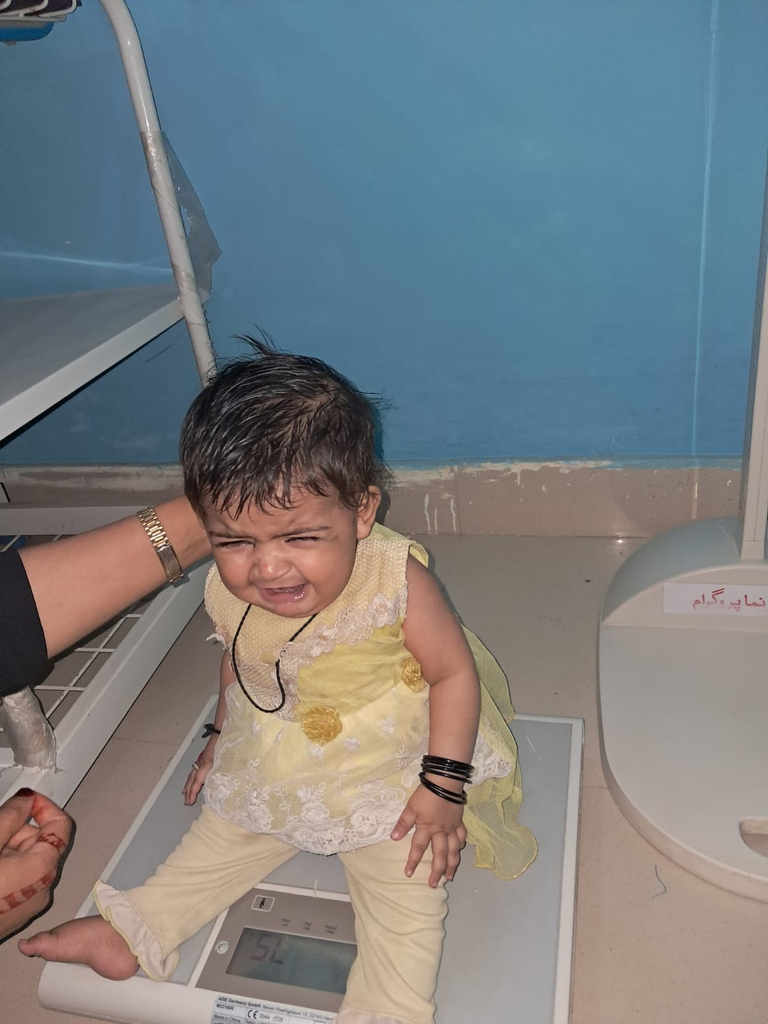
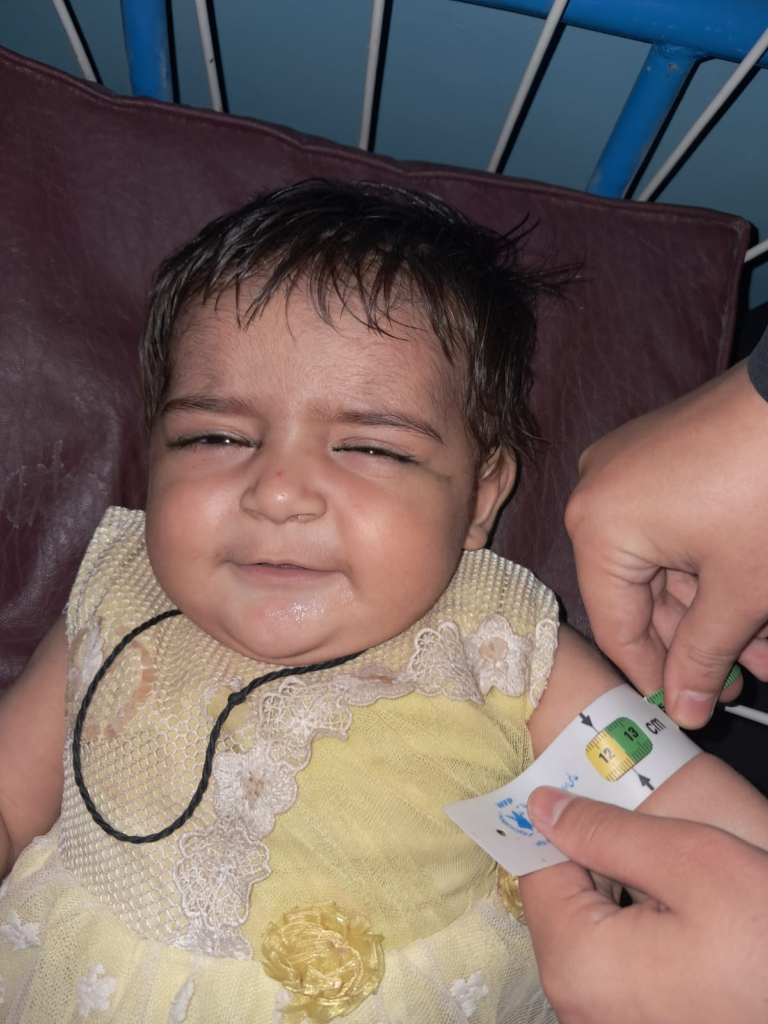
The results showed up quickly and kept building. By her second follow-up visit, Aqsa’s MUAC had climbed to 12.3 cm and her weight to 6.5 kg; by the third, she had reached 12.5 cm and 7.0 kg — moving her out of the danger zone and toward a healthier, stronger status. Her mother describes the change in her own words: “Before joining the Nashonuma Programme, my child was weak, had a poor appetite, and often became sick… Now my child is healthier, more active, has a better appetite, has gained weight, and gets sick much less often.” She also credits the counseling itself as a turning point, noting that she “learned about balanced nutrition, breastfeeding, complementary feeding, hygiene, and the importance of regular health check-ups” — lessons she says have changed how she cares for her child day to day.
The impact reached beyond Aqsa herself. Her family, once uncertain, became actively supportive of her participation and encouraged the household to follow the nutrition advice she brought home. Her mother describes feeling more confident and capable of making informed decisions about her child’s health, and has begun sharing what she has learned with other mothers in her community — turning one family’s recovery into the start of a wider ripple of awareness. In a district where poverty, low nutrition awareness, and limited healthcare access have long driven high rates of stunting and malnutrition, stories like Aqsa’s are a reminder of what consistent counseling, monitoring, nutritious food support, and targeted cash assistance can achieve together — and why beneficiaries like her family hope to see the programme reach even more mothers and children across Hangu.
Comments (4)
phsz777asia
This place is a hidden gem! The jackpot hits are more frequent than other sites I have used. Check out phsz777asia now.
500jiliapp
Great bonuses for new members and the app is very stable. I really enjoy the variety of games on 500jiliapp.
q444game
The graphics are amazing and the gameplay is just addictive. I had a great time winning some decent amounts yesterday. Love q444game so much.
vnjun888com
I love the daily bonuses they offer. It really keeps things exciting and gives me a bit more play time. I am loving vnjun888com so far.