
Transforming Early Childhood Development Through Community PlayLabs in District Thatta
-
by
merf-pakistan
- 7 Comments on Transforming Early Childhood Development Through Community PlayLabs in District Thatta
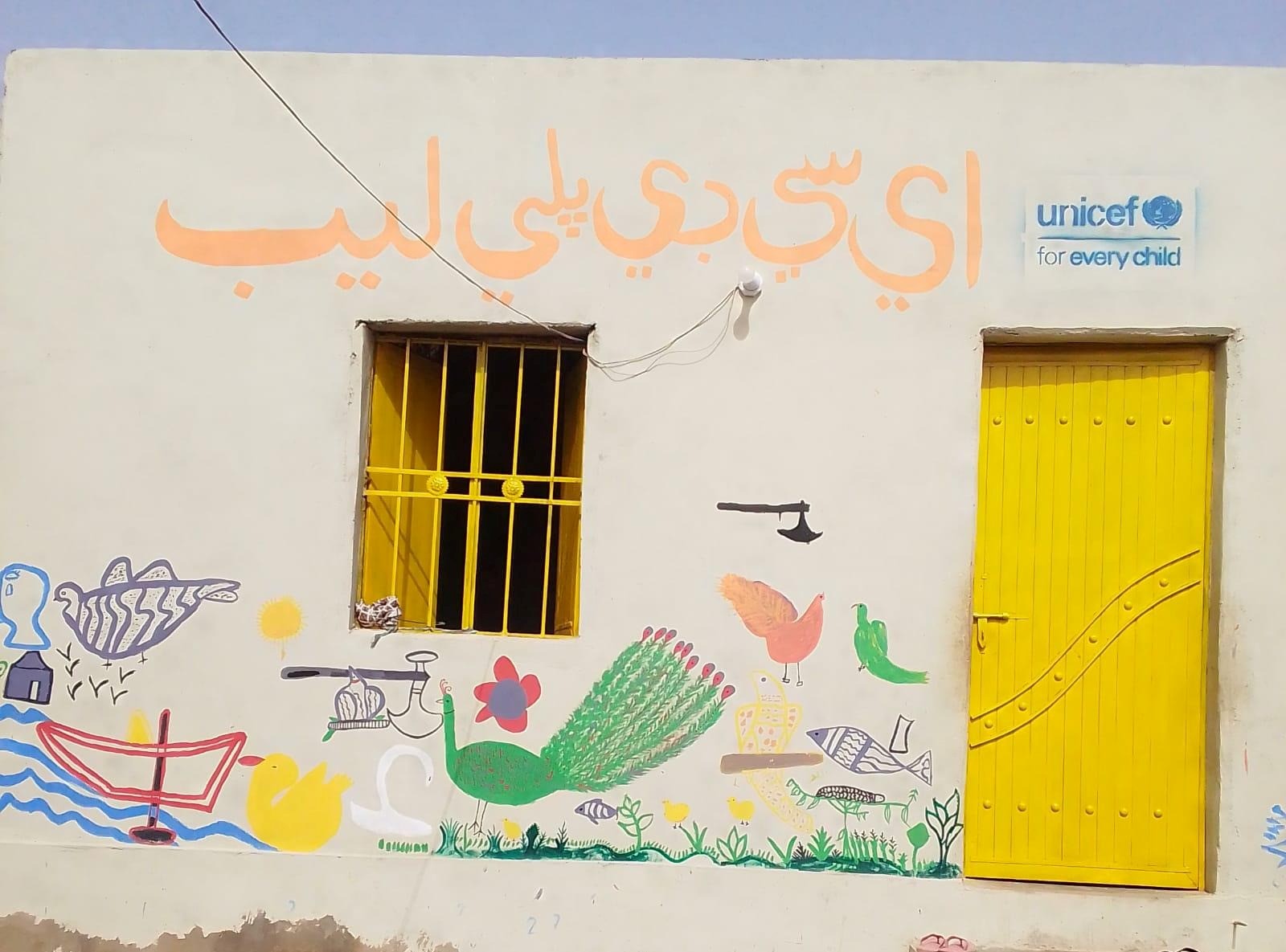
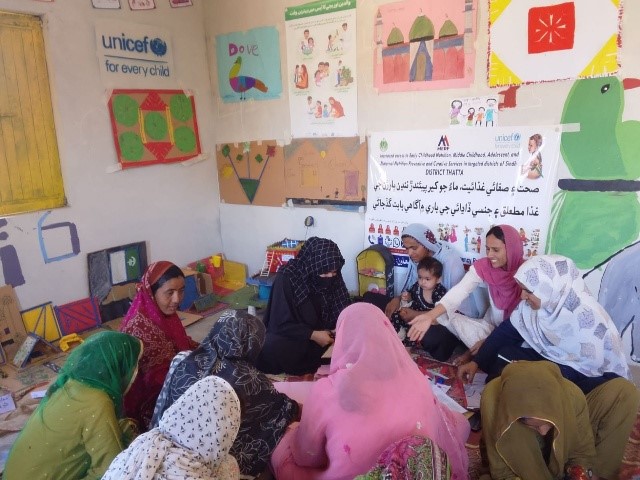
What was once an empty and unused room in UC Gujjo, District Thatta has transformed into a vibrant space of learning, care, and hope for young children and their families. The Early Childhood Development (ECD) PlayLab is a community-based initiative designed to help parents actively support their children’s development through play. Initially introduced as a space for early stimulation, it has evolved into a practical, hands-on model where caregivers learn and apply effective parenting skills in their daily lives. Through simple, low-cost activities introduced in each session, families are encouraged to make learning a joyful and intentional part of everyday life, grounded in love, connection, and meaningful interaction.
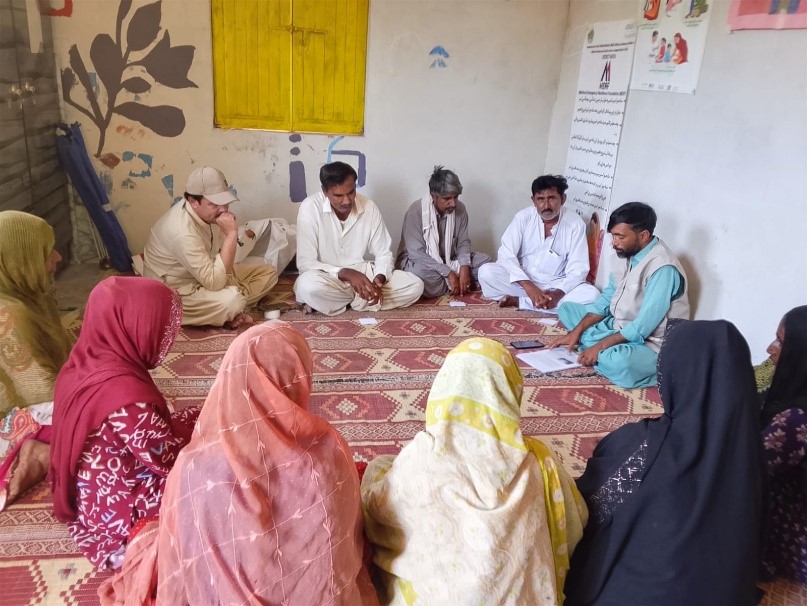
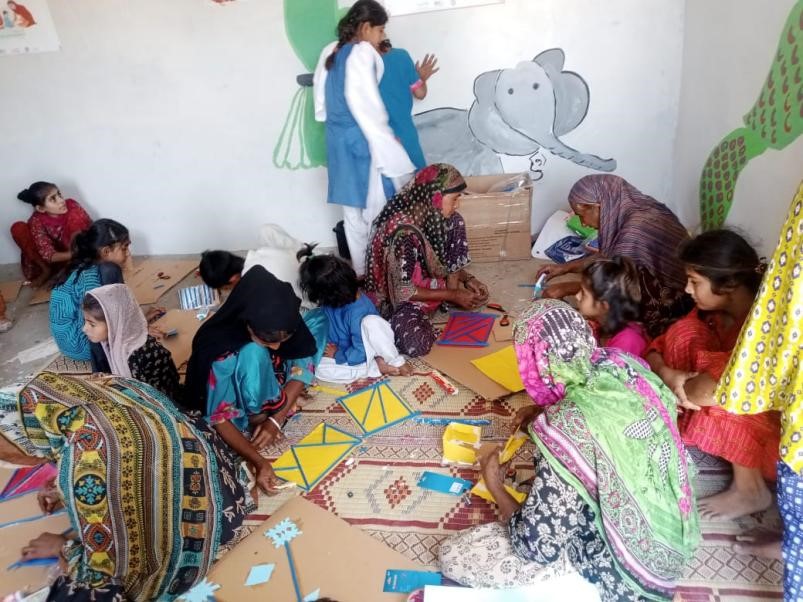
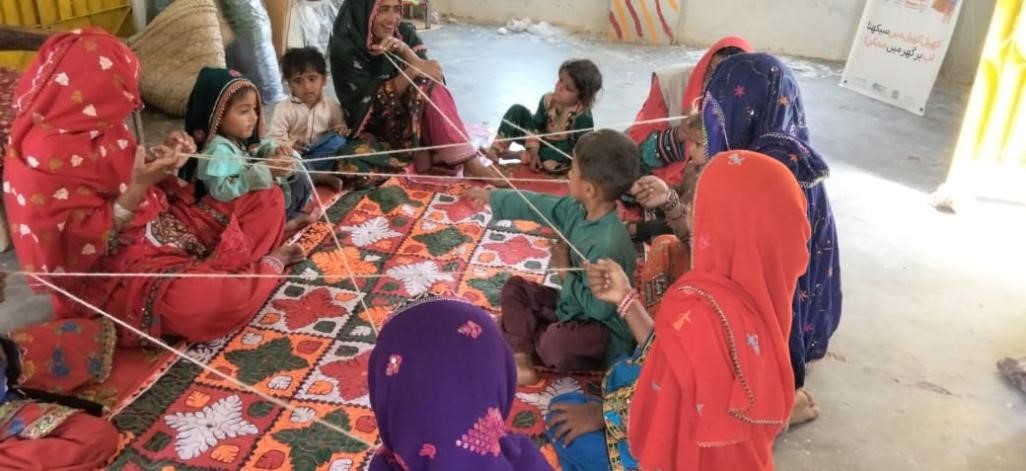
To strengthen early childhood development at the community level, MERF has established ECD PlayLabs where caregivers and children (aged 0–5 years) participate in play-based learning and interactive sessions. In District Thatta, four such PlayLabs have been set up, each facilitated by two trained Community Resource Persons (CRPs) one male and one female. These facilitators are trained by MERF and White Rice and continue to receive ongoing support to strengthen their knowledge and skills. The PlayLabs offer a range of services, including early stimulation activities, parenting sessions on nurturing care, counselling on infant and young child nutrition, hygiene awareness, group learning opportunities, and monthly cooking demonstrations that teach families how to prepare nutritious meals using locally available ingredients.
Fareeda, a 24-year-old mother from Village Ramzan Shahani, recalls how little the community understood about child development before the PlayLab was established. Families often believed that feeding children was sufficient, while their need for play, stimulation, and emotional care was overlooked. When the idea of the PlayLab was first introduced, many community members were unsure of its purpose. Finding a suitable location was also a challenge, and the only available room was in poor condition. With support from UNICEF, the space was transformed into a safe and functional learning environment. Initial participation was low, as people were hesitant to attend without incentives, and it was difficult to find volunteers willing to serve as CRPs due to economic pressures.
Despite these challenges, the consistent efforts of MERF staff gradually helped build trust within the community. Individuals like Fareeda played an important role in mobilizing families and encouraging participation. Over time, the PlayLab gained acceptance and became an active center of learning, with around 15 participants attending daily and multiple caregiver groups trained each week. Activities are tailored to children’s age groups, ensuring meaningful engagement, while cooking demonstrations help mothers improve their children’s diet using affordable foods.
The impact of the PlayLab is evident in the positive changes in knowledge, attitudes, and practices among caregivers. Families now better understand the importance of balanced nutrition, responsive caregiving, hygiene, and early stimulation. Parents are spending more time interacting with their children through play and storytelling, and mothers are applying improved feeding practices at home. Beyond individual households, the PlayLab has fostered a sense of community, where caregivers learn from one another and work together to support their children’s development.
Comments (7)
fc88
[2378]fc88 Official Login | Best Online Slots with Fast Payouts Malaysia,fc88 provides a seamless app download for players in Malaysia. Explore top online slots and master your live baccarat strategy today. Join now for fast payouts! visit: fc88
cg777casino
The atmosphere here is just different, feels like a real casino from my living room. Super satisfied with cg777casino.
bd1777betapk
The APK works perfectly on my phone. No crashes and the performance is steady. Highly recommended for mobile users. bd1777betapk
brboxwin
Incrível a experiência nesse site. O sistema é muito moderno e os pagamentos caem rapidinho na conta. Recomendo a todos! Veja brboxwin
688betbaixarapp
Finally found a platform that doesn’t lag during peak hours. The app installation was a breeze and everything works perfectly on my phone. Give 688betbaixarapp a go.
br1658com
Really impressed with the interface here. It is very user friendly and the response time is incredibly fast. Definitely my new go to spot, check out br1658com.
br585bet42
Very professional setup and the loading times are minimal. It is clear they care about the user experience. Big thumbs up for br585bet42