Strengthening Maternal Health through Community Outreach
 merf-pakistan
In District Dadu, nutrition support and health education are helping pregnant women build healthier futures for themselves and their children.
In the rural village of Haji Wah in District Dadu, many pregnant and breastfeeding women face daily challenges that affect their health and wellbeing. Poverty, limited awareness of maternal health practices, and restricted access to healthcare services often leave women vulnerable to anemia, malnutrition, fatigue, and pregnancy-related complications.
Among them is 30-year-old Zaiba, who was three months pregnant when a community outreach team visited her village.
At the time, Zaiba struggled with constant weakness, dizziness, body pain, and fatigue that made even routine household activities difficult. Like many women in her community, she had limited knowledge about maternal nutrition and the importance of regular health check-ups during pregnancy.
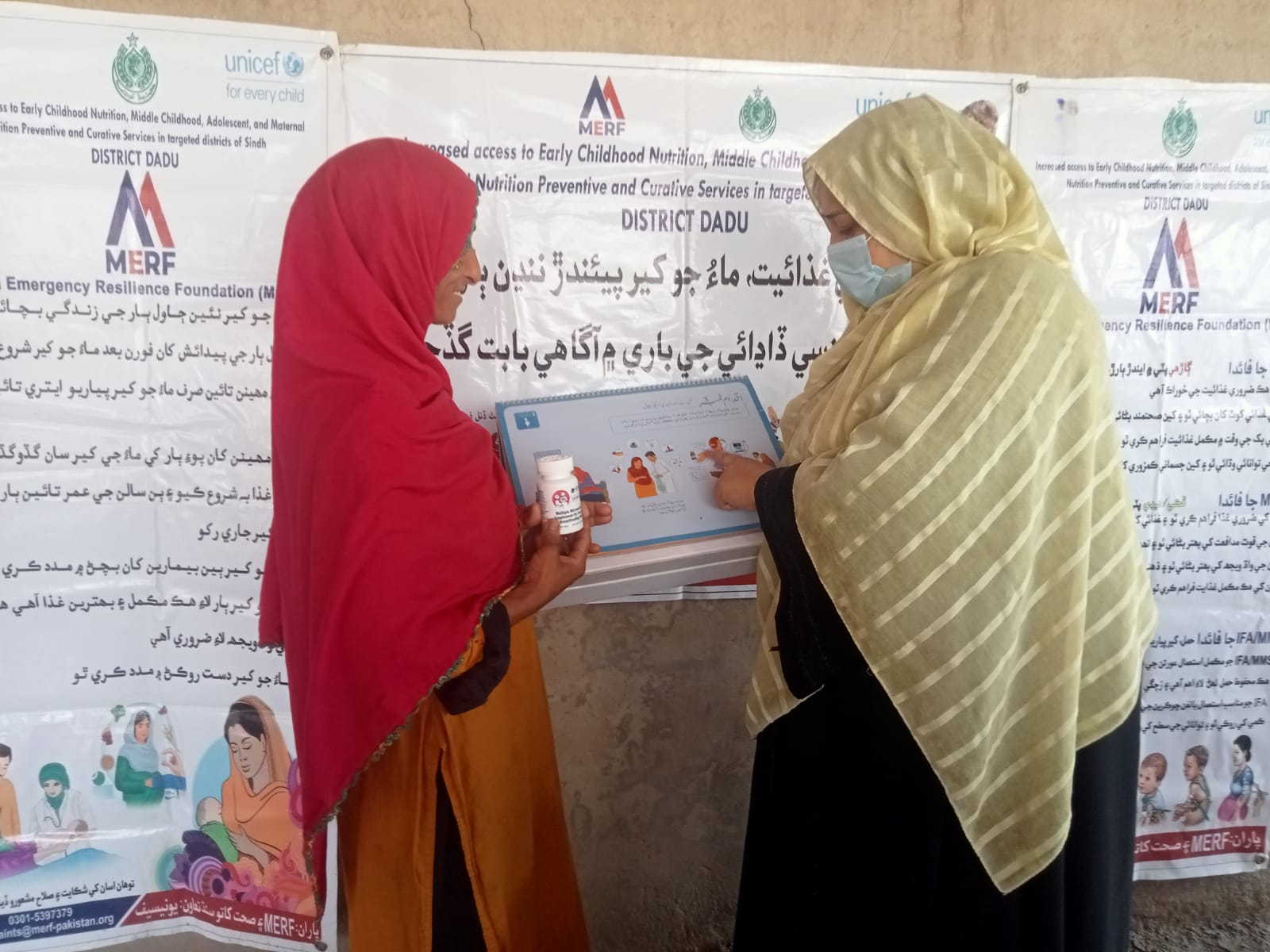
Everything began to change when MERF conducted a nutrition outreach session in Village Haji Wah, aimed at improving maternal and child health outcomes.
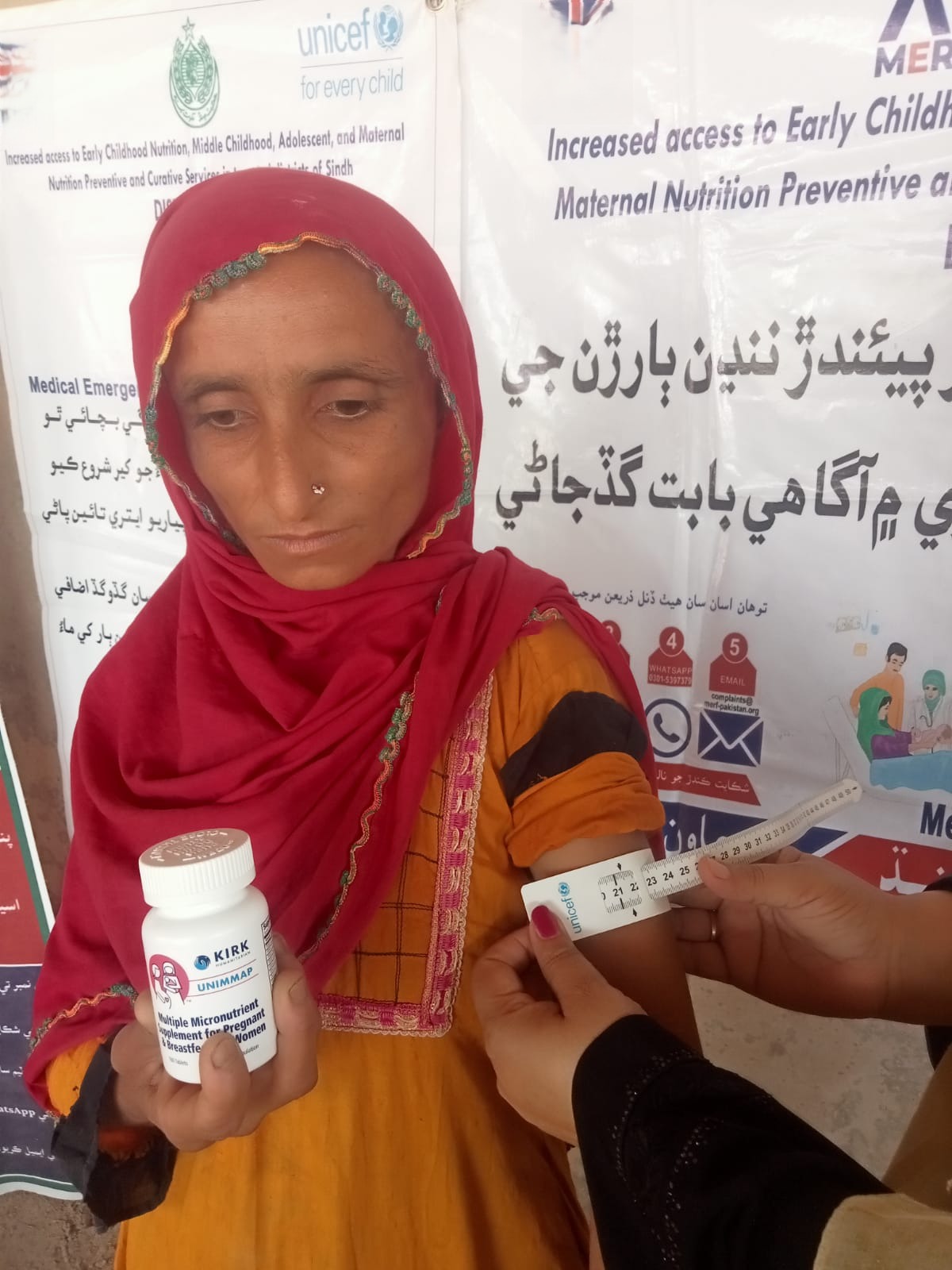
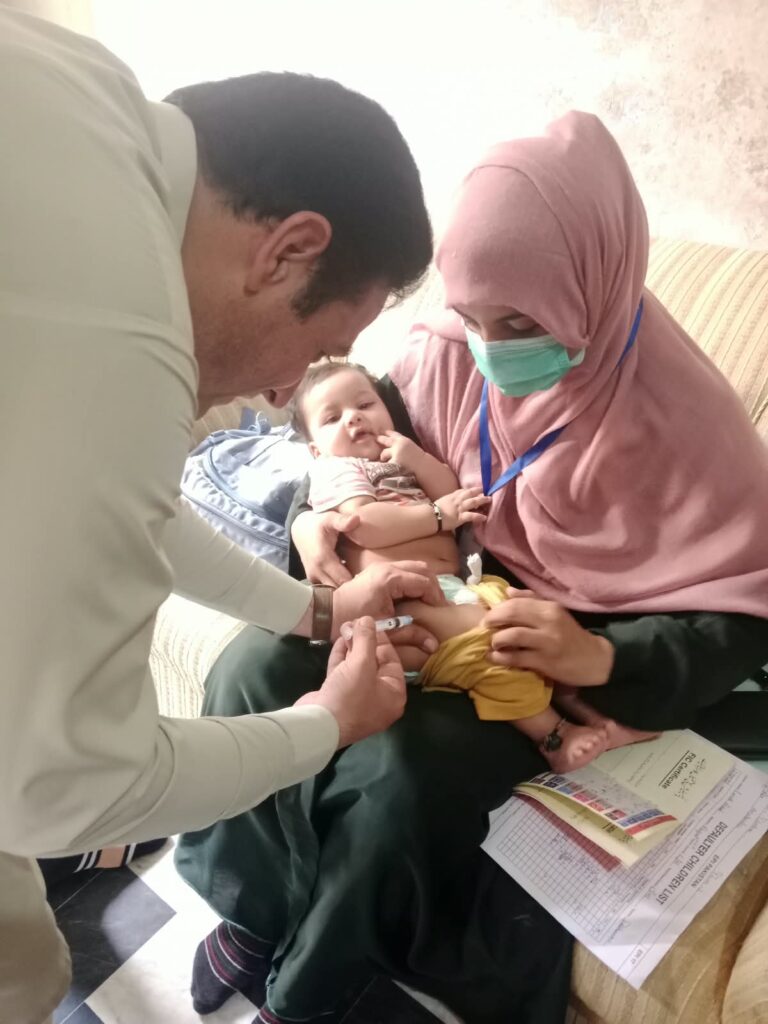
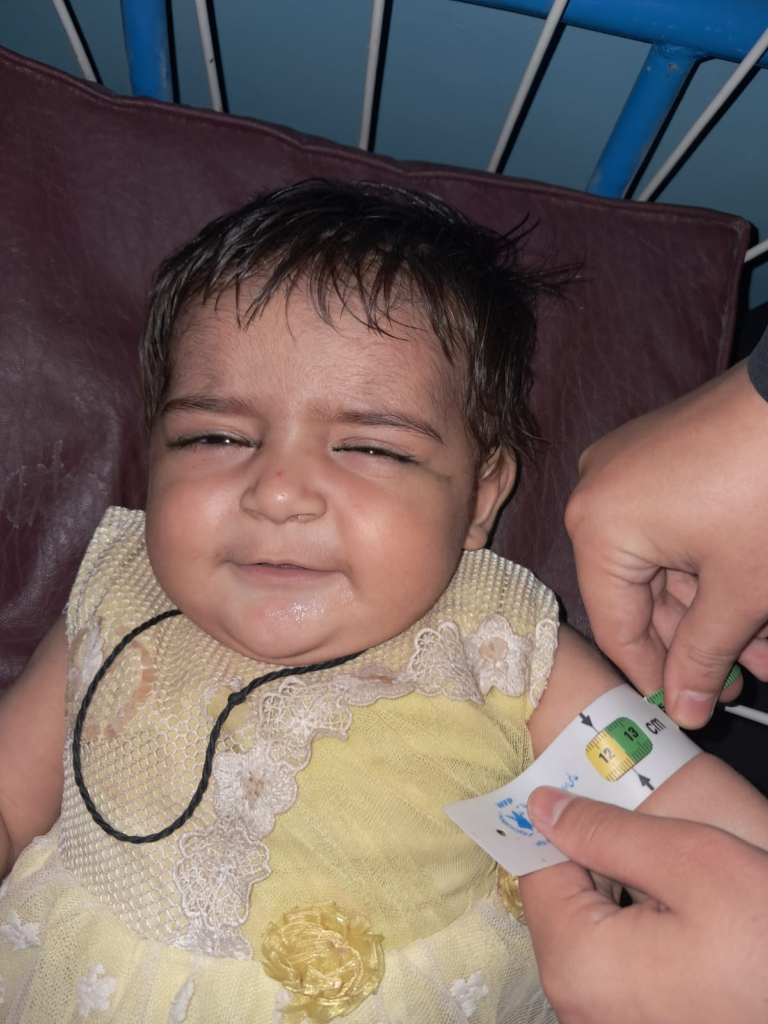
During the session, women received counselling on balanced nutrition, personal hygiene, breastfeeding practices, and the importance of regular antenatal care. The team subsequently screened 43 pregnant and breastfeeding women using MUAC tape and provided all screened women with Multiple Micronutrient Supplements (MMS), along with guidance on their proper use to support healthy pregnancies and prevent nutritional deficiencies.
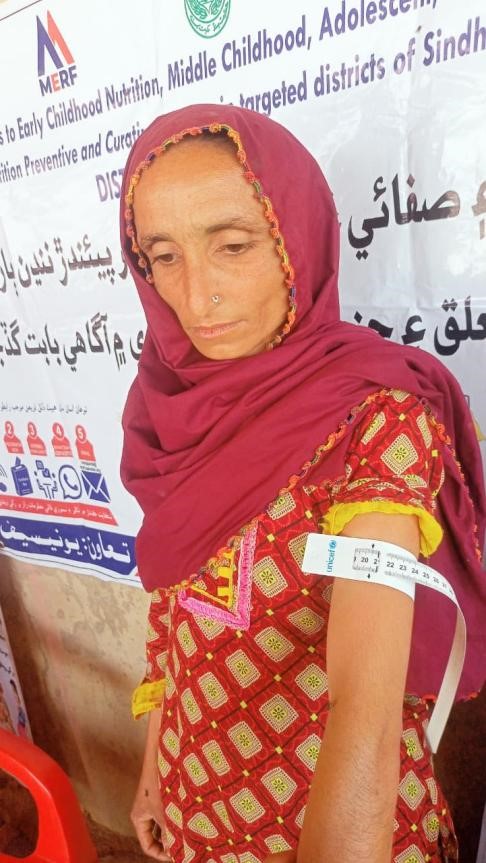
During Zaiba’s assessment, the nutrition assistant measured her Mid-Upper Arm Circumference (MUAC) and found it to be 20.5 cm, indicating poor nutritional status.
To support her recovery and promote a healthy pregnancy, Zaiba was provided with MMS tablets and personalized counselling by IYCF Counselor Samina Soomro on healthy dietary practices, maternal nutrition, hygiene, and the importance of attending ANC visits.
“I listened carefully to the advice given by the nutrition team and started taking one MMS tablet every day,” Zaiba recalls. “I also tried to improve my diet and take better care of my health during pregnancy.”
Over the following weeks, Zaiba adopted the recommended practices and remained committed to taking the supplements regularly.
When the outreach team returned for a follow-up visit one month later, they observed encouraging improvements. Zaiba reported that her weakness, dizziness, fatigue, and body pain had reduced significantly. A repeat MUAC assessment showed an increase from 20.5 cm to 21.5 cm, reflecting an improvement in her nutritional status within a relatively short period.
Beyond the physical improvements, the intervention empowered Zaiba with knowledge and confidence to make informed decisions about her health and the wellbeing of her unborn child. She gained a better understanding of the importance of proper nutrition, hygiene, and routine antenatal care throughout pregnancy.
For many families in Village Haji Wah, access to nutrition services and reliable health information remains limited. Community-based interventions help bridge this gap by bringing essential health and nutrition services directly to vulnerable populations.
With UNICEF’s support, MERF is helping women like Zaiba improve their health, adopt healthier practices, and work toward safer pregnancies and better futures for their children through the provision of Multiple Micronutrient Supplements (MMS), nutrition counselling, malnutrition screening, and continuous community engagement.
For Zaiba, the changes have already made a meaningful difference.
“I feel stronger and more hopeful about my pregnancy,” she says. “Now I know how important nutrition and healthcare are for both me and my baby.”
Comments (4)
kingjililoginregister
The registration was so simple and I was playing my favorite games within five minutes. Totally satisfied with kingjililoginregister.
krbetkrw11
I was a bit skeptical at first, but the customer support cleared all my doubts. Fast response and very professional. I feel safe playing at krbetkrw11.
qqgg
[128]qqgg লগইন ও অ্যাপ ডাউনলোড | সেরা অনলাইন স্লট গেম,qqgg লগইন করে সেরা অনলাইন স্লট গেম উপভোগ করুন। বিকাশ দিয়ে ক্যাসিনো ডিপোজিট এবং সহজ নিয়ম মেনে বোনাস পেতে আজই অ্যাপ ডাউনলোড করুন। visit: qqgg
kr10bet
Fast deposits and even faster withdrawals. That is all I really care about and this site delivers every time. Check out kr10bet now.