Beyond The Needle: MERF’s Behavioral Communication Approach in delivering more than 255,000 vaccine doses to protect children
-
by
merf-pakistan
- 8 Comments on Beyond The Needle: MERF’s Behavioral Communication Approach in delivering more than 255,000 vaccine doses to protect children
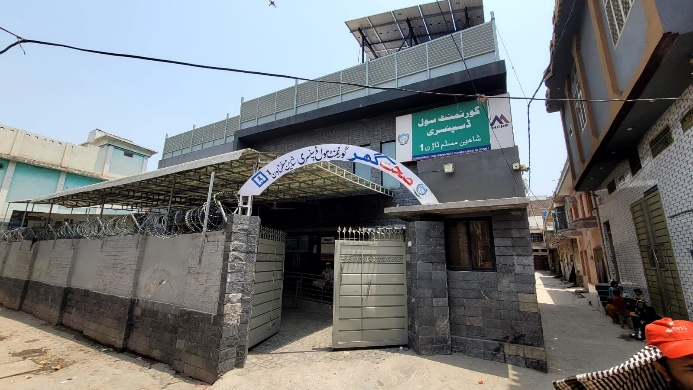
“Vaccines save lives, but only when communities trust them enough to accept them.”
For years, the greatest challenge to routine immunization in Khyber Pakhtunkhwa was never simply vaccine availability. The real barriers existed inside households, communities, and social norms.
Parents delayed vaccinating children because they feared side effects. Fathers often remained the primary decision-makers but were rarely engaged directly. Rumors spread faster than facts. Religious misconceptions, community pressure, economic hardship, and limited counselling combined to leave thousands of children without protection.
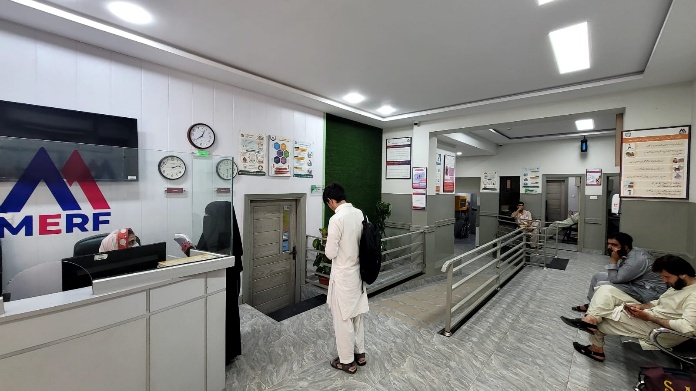
Rather than treating these as isolated problems, MERF set out to understand them.
Across high-risk union councils, MERF conducted extensive field research involving Focus Group Discussions with caregivers, Key Informant Interviews with Community Outreach Workers, vaccinators, religious leaders and community influencers, and a quantitative analysis of 183 documented zero-dose refusal cases.
The evidence painted a clear picture.
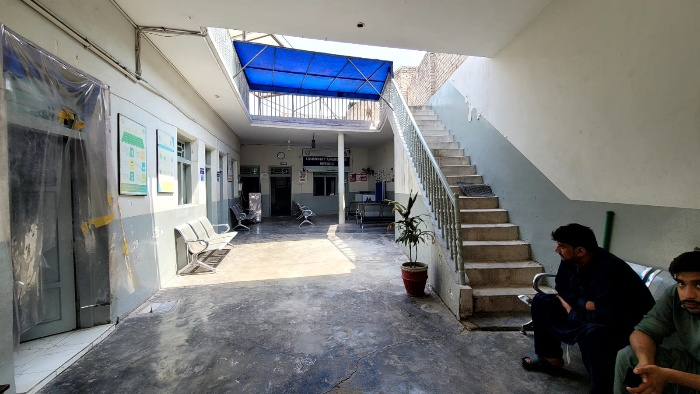
Nearly one in every three refusals (33.3%) stemmed from religious concerns, while 30.6% were driven by misconceptions and misinformation. Medical concerns accounted for 16.4%, whereas demand-related issues and non-response each contributed 7.1%, with migration accounting for another 5.5% of missed opportunities. These findings demonstrated that vaccine hesitancy was driven far more by behavioural and social barriers than by vaccine supply.
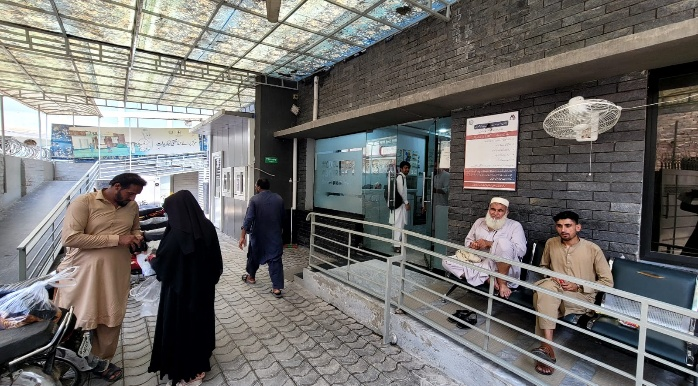
MERF translated these findings into an evidence-based Social and Behavior Change Communication (SBCC) Strategy built around internationally recognized behavioral science frameworks. Instead of relying on awareness campaigns alone, the strategy strengthens Community Outreach Workers, engages fathers and religious leaders, improves counselling quality, creates structured community dialogue, and establishes continuous learning systems that respond to emerging concerns before they become widespread rumors.
The results of MERF’s integrated health and community engagement model are already visible.
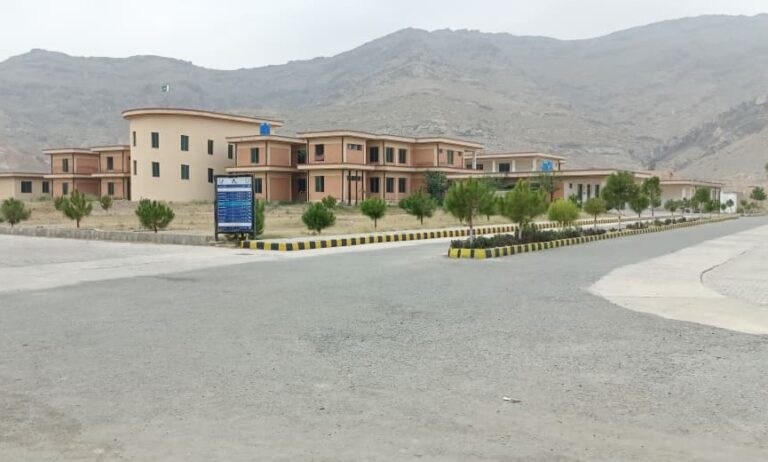
Between May 2022 and June 2026, MERF-supported health facilities delivered:
- 1,417,445 outpatient consultations, bringing essential primary healthcare closer to underserved communities.
- 48,523 children completing the full routine immunization schedule.
- 25,728 previously zero-dose children receiving their first life-saving vaccines.
- 165,578 children who had defaulted on subsequent doses successfully traced and brought back into the immunization program.
- 11,851 families who initially refused vaccination convinced through counselling and community engagement to protect their children.
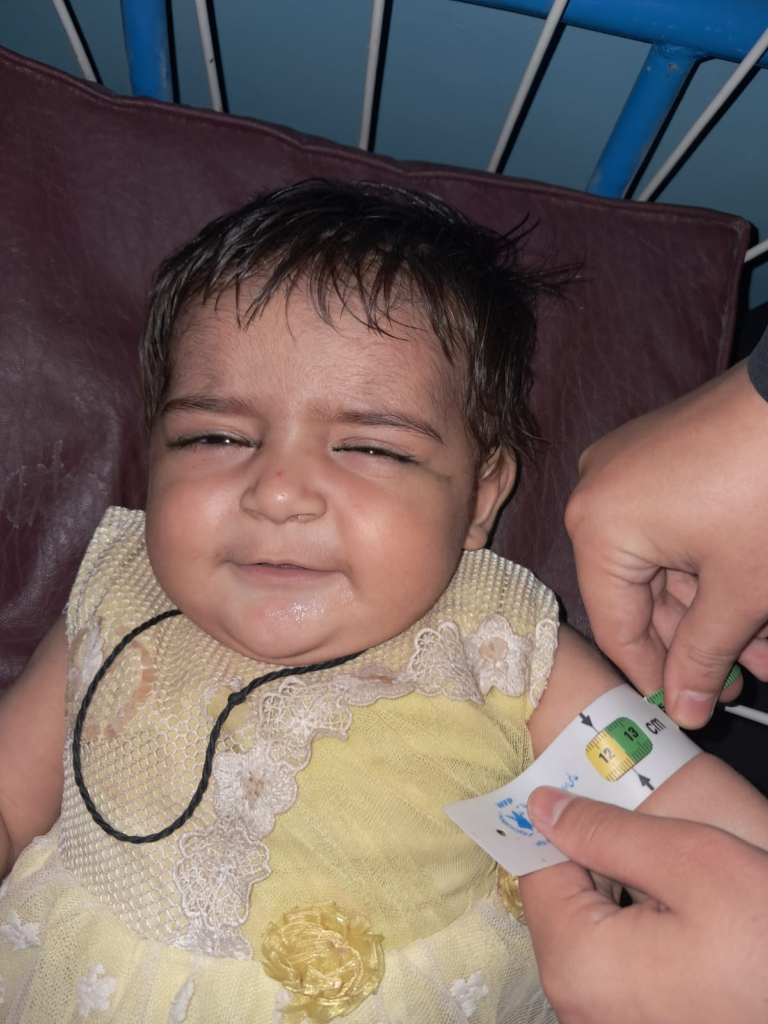
- 140,929 children screened for malnutrition, with 9,962 severely malnourished children admitted for life-saving treatment.
- More than 52,900 pregnant women receiving their first antenatal care visit, strengthening maternal and newborn health alongside routine immunization.
The immunization program itself reflects both scale and continuity.
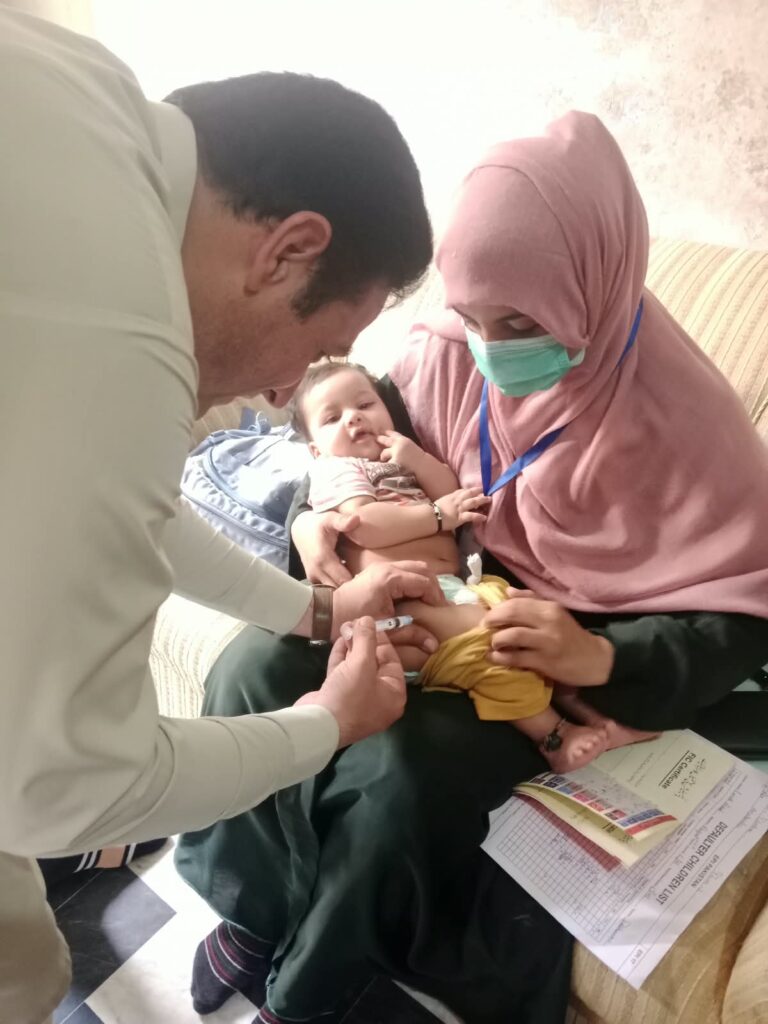
MERF-supported facilities administered more than 53,000 first doses of Pentavalent vaccine, over 52,000 first doses of PCV, more than 53,000 Rotavirus vaccinations, approximately 50,000 Measles-1 vaccinations, and over 46,900 BCG vaccinations, ensuring children remained protected against multiple vaccine-preventable diseases throughout infancy.
Behind every statistic is a family that chose confidence over fear.
Every refusal converted represents a conversation that changed a parent’s mind. Every zero-dose child reached represents a child who moved from vulnerability to protection. Every defaulting child traced represents a family that was not forgotten.
MERF’s approach demonstrates that increasing immunization coverage is not solely about delivering vaccines, it is about building trust, understanding behavior, empowering frontline workers, and ensuring communities become partners in protecting their own children.
When Behavioral Change Communication (BCC) meets compassionate community engagement, the result is not just higher coverage, it is healthier children, stronger families, and more resilient communities.
Comments (8)
tartoto
[8950]Tartoto | Login Resmi Link Alternatif Slot Gacor Terpercaya,Tartoto menyediakan akses login resmi dan link alternatif aman. Temukan slot gacor hari ini serta kemudahan deposit via dana. Daftar sekarang di situs terpercaya! visit: tartoto
plataformapgwin
Very stable platform with a lot of exciting options. I feel safe depositing my funds here. Check out plataformapgwin for a secure bet.
555tayaapp
The app version is just so much better than the browser. Everything is snappy and the graphics are crisp. I’m spending way too much time on 555tayaapp lately!
bryu777
Super friendly customer support and a very welcoming vibe for new players. Everything is straightforward at bryu777.
krwinna
The winning streaks I’ve had here are insane. It feels like the RNG is actually fair for once. Cheers to krwinna for the awesome vibes.
kr86kr
Finally found a platform that actually pays out on time. The registration process was a breeze and I was playing within minutes. kr86kr
idasiabet
One of the best platforms I have used recently. Everything is straightforward and the graphics are top notch. Go for idasiabet
nustar game
[5045]Nustar Game Login – Legit Online Slots at GCash Casino,Gamitin ang nustar game login para sa legit online slots Philippines. I-download ang nustar game app APK at mag-enjoy sa pinakamabilis na GCash casino ngayon. visit: nustar game