Every Conversation Counts: How 151 FGDs Amplified the Voices of More Than 1,100 Community Members in Peshawar
-
by
merf-pakistan
- 6 Comments on Every Conversation Counts: How 151 FGDs Amplified the Voices of More Than 1,100 Community Members in Peshawar
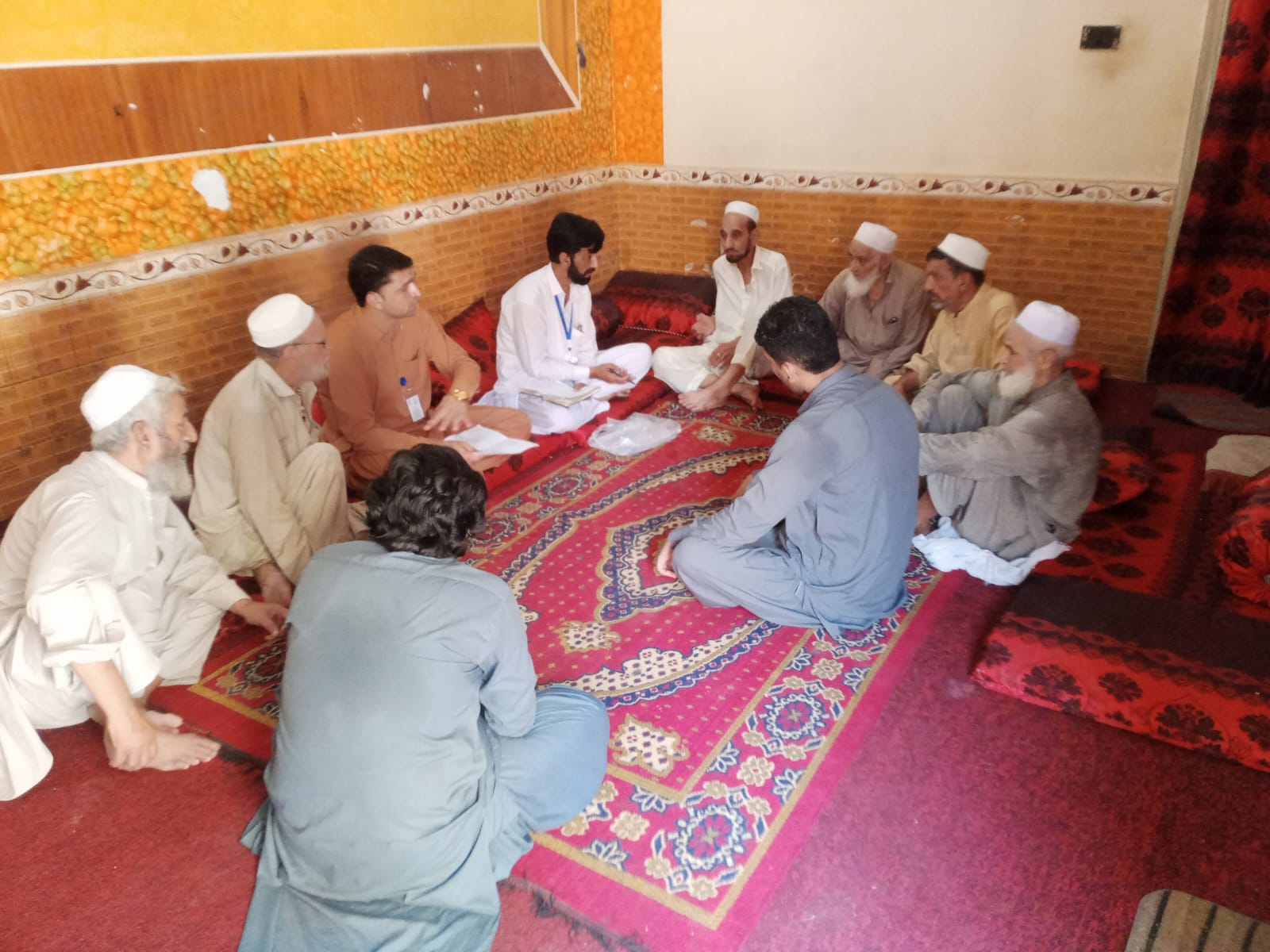
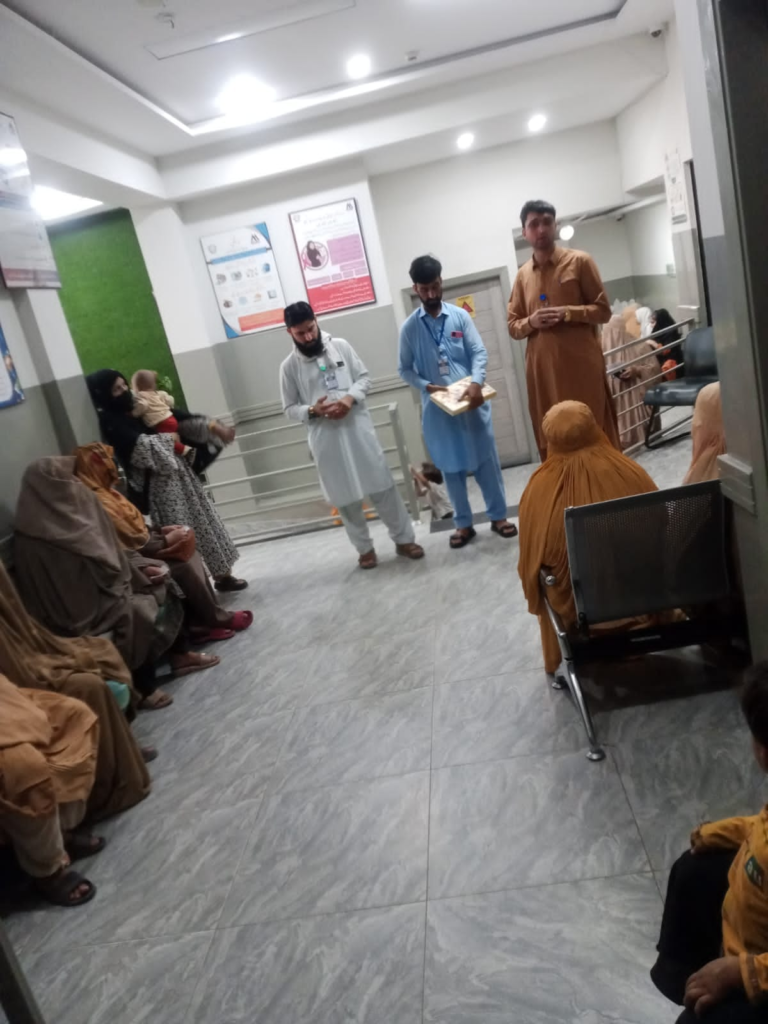
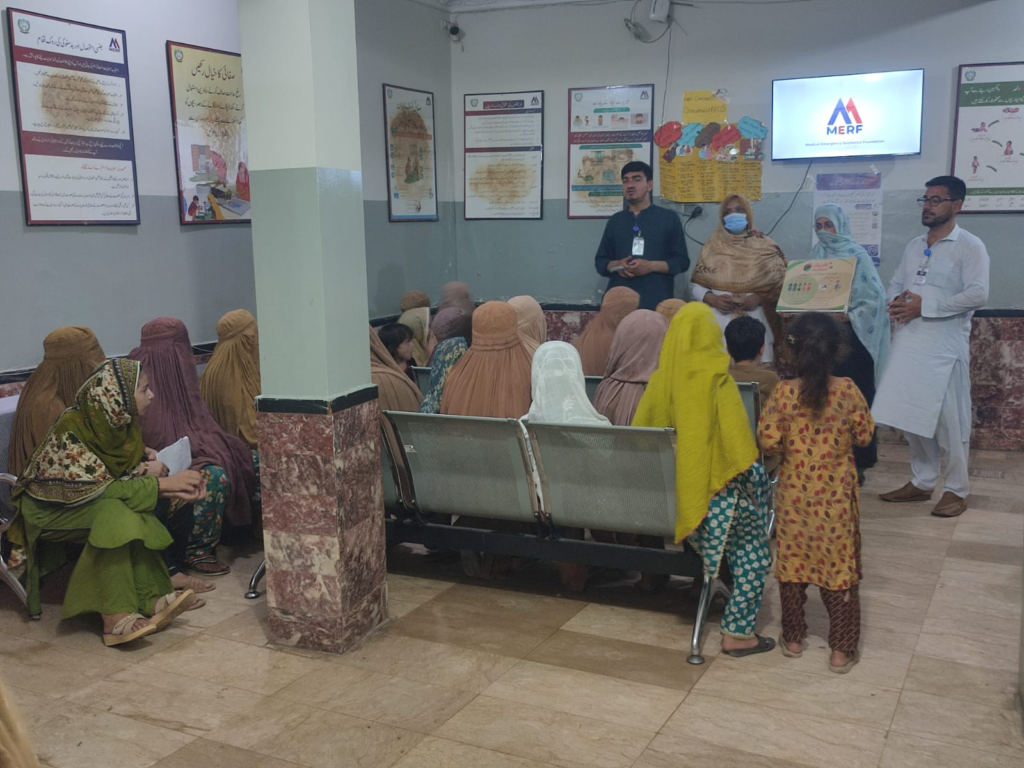
In communities where vaccine hesitancy, misinformation, and limited access to reliable health information continue to challenge routine immunization, listening to people’s concerns is often the first step toward lasting change. Recognizing this, the Medical Emergency Resilience Foundation (MERF), under the Gates Foundation-supported Polio Eradication Initiative, conducted 151 Focus Group Discussions (FGDs) across high-risk Union Councils in Peshawar, engaging more than 1,100 community members, including mothers, fathers, caregivers, community elders, religious influencers, and other local stakeholders.
These discussions were designed to move beyond one-way awareness campaigns by creating safe spaces where community members could openly share their experiences, concerns, and expectations regarding childhood immunization and primary healthcare services. Rather than assuming the reasons behind missed vaccinations, MERF placed community voices at the centre of programme planning.
Using Braun and Clarke’s thematic analysis approach, the discussions revealed several recurring behavioural and social patterns. Many caregivers understood the importance of vaccination but lacked complete knowledge of the routine immunization schedule and the need to complete all recommended doses. Rumours surrounding vaccine safety, misconceptions about post-vaccination side effects, and misinformation circulating within communities continued to influence parents’ decisions. Participants also highlighted practical barriers such as transportation costs, competing livelihood responsibilities, seasonal migration, and limited decision-making autonomy among mothers. At the same time, the discussions revealed a strong level of trust in Community Outreach Workers (COWs), vaccinators, and other frontline health workers, with many participants describing household counselling as the most reliable source of health information.
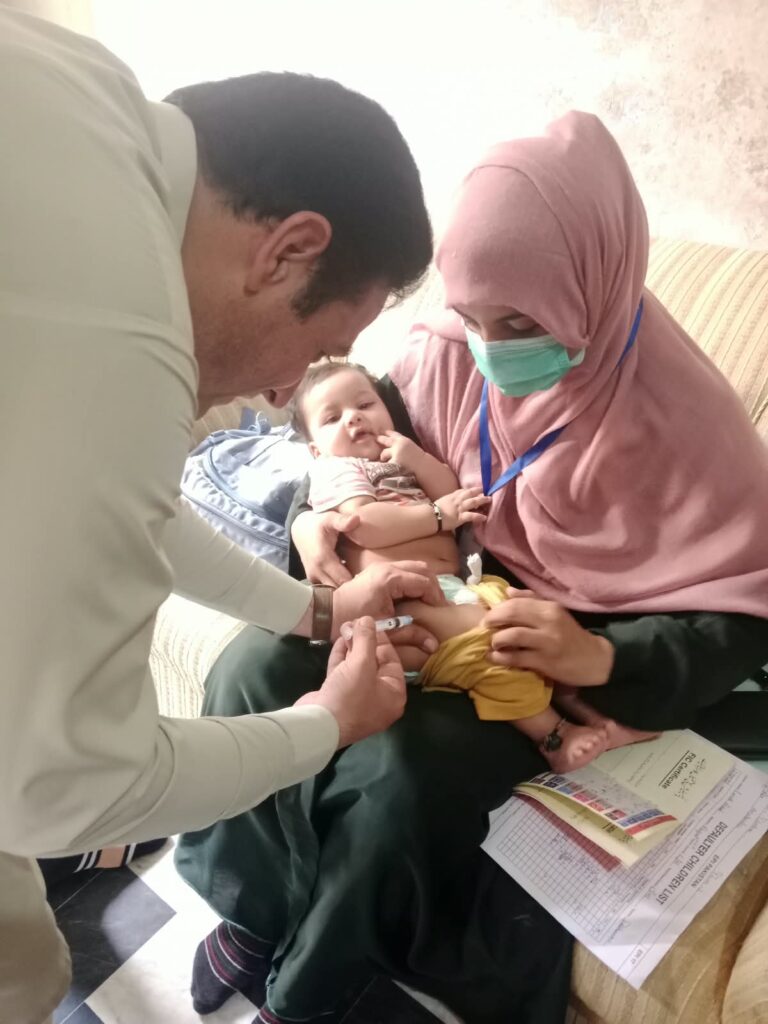
The evidence generated through these FGDs was systematically analysed and translated into action. Communities with recurring behavioural barriers were prioritized for intensified household counselling, community dialogue sessions, myth-busting communication, engagement of religious and community leaders, and strengthened follow-up of children who had missed scheduled vaccinations. Rather than implementing generic awareness activities, MERF tailored its Social and Behaviour Change Communication (SBCC) interventions according to the needs identified by each community.
The impact extended far beyond the discussions themselves. The findings strengthened evidence-based decision-making, improved programme targeting, and enabled frontline teams to address the root causes of vaccine hesitancy instead of its symptoms. Community members reported greater confidence in asking questions, improved understanding of routine immunization schedules, and increased trust in health services following repeated engagement with Community Outreach Workers.
The initiative demonstrated that meaningful community engagement is not simply about delivering health messages it is about building relationships, understanding local realities, and designing solutions together with the people they are intended to serve. By engaging more than 1,100 community members through 151 Focus Group Discussions, MERF transformed community perspectives into actionable evidence, laying a stronger foundation for improved vaccine confidence, more responsive health services, and increased routine immunization uptake among children living in some of Pakistan’s highest-risk communities.
Key Achievements
Strengthened community trust, improved programme planning, and enhanced support for routine immunization services.
151 Focus Group Discussions conducted across high-risk Union Councils in Peshawar.
More than 1,100 community members actively participated.
Mothers, fathers, caregivers, community elders, and local influencers engaged in structured dialogue.
Behavioural and structural barriers to routine immunization identified through thematic analysis.
Findings directly informed MERF’s evidence-based SBCC strategy and targeted community interventions.
Comments (6)
tk99
[1389]tk99 Official Login | বাংলাদেশে সেরা অনলাইন ক্যাসিনো এবং অ্যাপ,tk99-এ দ্রুত বিকাশ পেমেন্টে স্লট গেম খেলুন এবং আকর্ষণীয় বোনাস নিয়ম জেনে নিন। আজই অ্যাপ ডাউনলোড করে সেরা গেমিং অভিজ্ঞতা শুরু করুন। visit: tk99
sbj66
[2981]sbj66 Official Login | বিকাশ ডিপোজিট ও সেরা স্লট গেম,sbj66 অফিসিয়াল সাইটে লগইন করে সেরা অনলাইন স্লট গেম খেলুন। বিকাশ দিয়ে সহজে ডিপোজিট এবং অ্যাপ ডাউনলোড করে আজই শুরু করুন। visit: sbj66
phokbetonlinegames
Great variety of online games here. Whether you like slots or table games, they have it all. Feeling lucky today at phokbetonlinegames.
playtimevicsottoapk
The graphics are amazing and the game mechanics are top notch. I spend a lot of my free time here now. Highly recommend playtimevicsottoapk to everyone
pk44slots
I’ve been trying a few different sites lately and this one really stands out. The games load fast and the payouts are legit. Definitely my new favorite spot for spinning pk44slots.
289betapp
I really appreciate how easy it is to deposit and withdraw funds here. No hidden fees and no stress. 289betapp is my new go-to spot.